


Plaintiffs' attorneys now pull the EHR audit trail as routinely as the chart. Here's how to make sure yours tells the story you need it to.
Plaintiffs' attorneys now pull the EHR audit trail as routinely as the chart. Here's how to make sure yours tells the story you need it to.

The CMS-0057 rule regulates health plans, not practices, but administrators are the ones who have to get the EHR and billing vendor conversations right.

Here's a video primer on forming your practice's approach to technology in the age of AI

UnitedHealth says No Surprises Act arbitration awards are its biggest cost pressure. What practices that use IDR should document now.

Ransomware, cloud failures and power cuts can take your EHR offline without warning. These 20 steps keep patients moving and revenue flowing.

Vendor proposals itemize licenses and implementation. These 10 costs land on the administrator's desk later, and the biggest never arrives as an invoice.

Nearly 1 in 4 licensed doctors is 65 or older. Few hospitals screen them, and practices often have no checkpoint at all.

Federal regulators are fielding thousands of information blocking claims. These everyday practice habits are the ones most likely to draw one.

Most Medicaid improper payments trace to missing paperwork, not fraud. These nine checks close the gaps auditors keep finding.

Family physician Kenneth Qiu, M.D., explains the compliance, staffing and cybersecurity demands that come with growing a direct primary care practice, and why he thinks many stall around five physicians.

MGMA acting CEO Akash Madiah on what members need, what the association must fix and how administrators can stop revenue leaks now.

Heal 360's $20 million settlement over swabs billed as full office visits shows how scribe and template notes can expose any practice.

CMS' 2027 fee schedule proposal would pay for RPM and RTM only when practice employees do the work. Here's what practices should review now.

Payers deny with AI while practices appeal by hand. Taya Gordon on retiring 30-day AR buckets, the benchmarks to watch and a quick downcoding check.

How practice leaders can help physicians move from 'renters' to 'owners'

Most practices have a cyber plan and an AI policy. Far fewer can show either one works. Here's how to turn paperwork into proof.

Patient Prism co-founder and CEO Amol Nirgudkar explains how practices can use AI voice agents to cover overflow and after-hours calls, and which calls still need front desk staff.

Former Integrated Medical Services CEO Monique Delgado explained how practice leaders can build performance-based physician pay with physicians at the table and why the work starts with the practice's own finances.

Only 5 percent of physicians say they have real leverage with payers. Here is what that group does before it ever sits down at the table.

Four Oct. 29 sessions cover supplemental pay, payer contracts, Kentucky Medicaid and workload pressure for physicians and administrators.

From payer contract homework to a 15-minute morning huddle, these are the moves practice administrators can make after four days of sessions and interviews at MGMA's centennial meeting.

A family physician and practice owner shares the structure, roles and timing that make her team's 15-minute morning huddle work, and how to adapt it to a practice of any size.
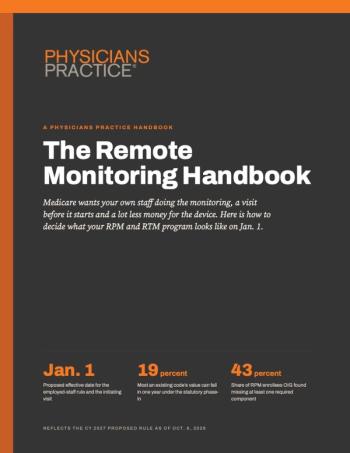
A 2027 Medicare proposal would stop paying for RPM time logged by vendor staff and cut device payments. Our handbook walks through what to do.

MGMA's senior vice president of IT explains how administrators can choose technology, win staff buy-in and keep up with cybersecurity updates.

Seven competencies that can move health care leaders from survival mode to thriving mode.

An IDR win isn't a check. Payers have 30 days to pay, courts won't force them to and CMS admits awards are slipping through.

Small practices and big systems struggle with no-shows in different ways, but there is a way to improve your system.

A Utah program allows Nolla Health's AI to prescribe acne treatment within physician-approved limits. Physician review scales back as more patients enroll.

Madison Hynes of MGMA explained what practice leaders should watch as electronic prior authorization and Medicaid work requirements arrive Jan. 1.

Health care administrators and physicians may drift apart, but it is possible to close the gap.