







The rate of physician’s reported rates of burnout before and during the pandemic.
The rate of physician’s reported rates of burnout before and during the pandemic.
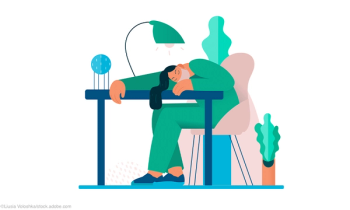
Physicians can take a note from professional athletes

How technology can aid physicians in returning to focusing on patient care.

Simple, effective ways medical workers can reconnect with and replenish themselves.

It’s now more important than ever to consider how we can improve our healthcare providers’ experiences at work so they can keep doing what they do best—caring for patients.

Burnout can be mitigated with a process that mirrors the methodology used to diagnose and care for patients.

For those looking for a new job, the following are some key considerations that might limit potential for burnout.

One possible remedy for the current state of healthcare is greater use of physician assistants (PAs) and nurse practitioners (NPs) to meet the demands of patient care.
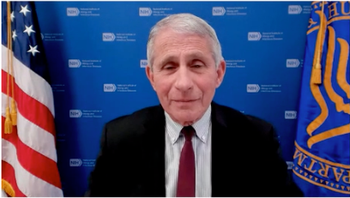
The NIAID head said the COVID-19 pandemic has highlighted the impact of professional dissatisfaction and fatigue.

How will physicians manage the increasing demand as patients return to care without getting burned out in the process?

If your healthcare organization is serious about retaining and attracting clinicians in the long term, now is the time to take action.

The pandemic has placed greater burdens on physicians, providers, and staff.

When used appropriately, technology can be a powerful tool for alleviating stress.

Physicians Practice® spoke with Dr. Wayne Jonas about the rise in reported burnout among physicians, especially during the pandemic, and how the industry can work to overcome stigmas and begin to address these issues.
Physicians today are faced with burnout like never before. Here are three ways healthcare organizations can tackle this problem.

Overcoming the complicated burden with a personal path to recovery.

Three best practices for healthcare organizations.
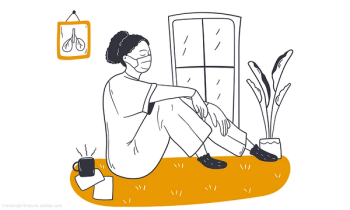
The AMA defines “stupid stuff” as everything from irrelevant training requirements, well-intentioned but not useful risk management processes, and overinterpretations of health information requirements.

Addressing burnout is crucial to your long-term happiness and success as a physician.

Utilizing a resilience training program in times of high stress that integrates leading intervention strategies can harness the brain’s complex ability to change its response to stressors, to recover more quickly from stress, and to build resilience.

The cost of physician burnout is escalating as COVID-19 and the demand on our healthcare systems skyrockets. It is more important than ever for leaders to prioritize taking care of those who take care of their communities.

Effectively managing your stressors will increase your ability to care for patients.

How you can balance the clinical capacity created by the interplay of room, provider, and patient.

Life-altering change can strain mental and emotional well-being and easily cause many physicians to become paralyzed by mental fragility

Three ways to help your patients who may be suffering in silence.