




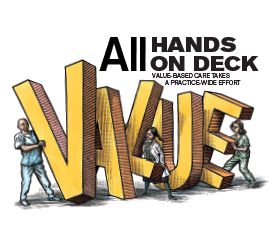

Independent practices can succeed in risk-based contracting. It’s just a matter of understanding why, how, and what, according to Farzad Mostashari.

Independent practices can succeed in risk-based contracting. It’s just a matter of understanding why, how, and what, according to Farzad Mostashari.

It’s important to not cut corners when assessing the cost of a new technology and forget about its potential security threats.

A recent N.J. Supreme Court case raises several issues around malpractice insurance laws and whether docs should disclose if they have it or not.

Many physicians will face a malpractice claim in their career, so the way a physician communicates adverse news is of paramount importance.

It’s in our nature to want to buy the winners and sell the losers. Successful investing often involves the opposite.

Here are six steps to protect yourself and your practice from malpractice suits stemming from a patient's prescription addiction.

To ensure your medical practice does not leave money on the table, proper physician credentialing is a must.

For PHOs and super groups, one practice's misstep to put everyone at risk. Here are six potential threats to avoid and the best way to stay safe.

A couple of words can mean the difference between being covered for a certain event and not being covered.

LLCs can be great tools if used the right way, unfortunately many of them are being actively marketed to doctors for the wrong reasons.

HIPAA may actually be harmful as it distracts attention and diverts resources away from those actions that might actually improve privacy and security.

Doctors have a lot of valuable personal and professional data on their laptops and other devices. Here are five simple ways to keep that data secure.

While EHRs are important to analyze in any merger, don't forget to assess and formulate a strategy for your compliance technology as well.

Physicians should be aware that Phase II of OCR's HIPAA Audits have commenced. Here is a short check-list to prepare your practice.

One common tool that attorneys and non-attorney promoters alike often use to protect physician assets is the limited liability company or LLC.

Keep an eye out for these four scenarios at your practice to avoid being the victim of embezzlement.

Learn from victimized practices and protect your own office from theft with these simple strategies.

One physician describes how her former practice closed its doors after its chief financial officer led it to financial ruin.

Not everything becomes a viable threat, but you can never be too cautious in protecting yourself, your family, your practice, and your reputation.

As a physician, I depend on my clinical team to take care of the busy work. But I have a problem when staff make medical decisions without my input.
Cyber risk isn't just a technology issue. It affects your entire business, so have a plan in place and mitigated through education and risk management.

Recent court rulings underscore the importance of maintaining compliance with Medicare billing.

Summer is officially upon us and with it comes increased personal liability and safety issues doctors and their families need to consider carefully.
Promoting commercial products, like television's Dr. Oz, can present a conflict of interest for physicians.

Tailored risk management can reduce healthcare costs. While your insurer does its best to reduce your risk, here are three ways physicians can do the same.