


A family physician and practice owner shares the structure, roles and timing that make her team's 15-minute morning huddle work, and how to adapt it to a practice of any size.
A family physician and practice owner shares the structure, roles and timing that make her team's 15-minute morning huddle work, and how to adapt it to a practice of any size.
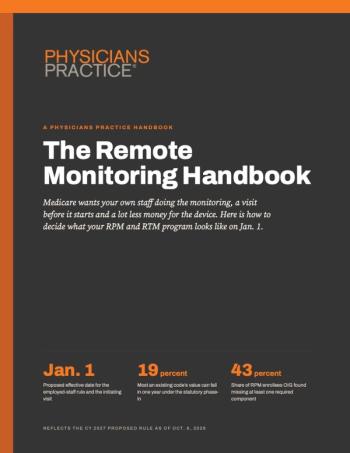
A 2027 Medicare proposal would stop paying for RPM time logged by vendor staff and cut device payments. Our handbook walks through what to do.

MGMA's senior vice president of IT explains how administrators can choose technology, win staff buy-in and keep up with cybersecurity updates.

Seven competencies that can move health care leaders from survival mode to thriving mode.

An IDR win isn't a check. Payers have 30 days to pay, courts won't force them to and CMS admits awards are slipping through.

Small practices and big systems struggle with no-shows in different ways, but there is a way to improve your system.

A Utah program allows Nolla Health's AI to prescribe acne treatment within physician-approved limits. Physician review scales back as more patients enroll.
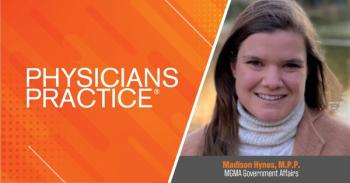
Madison Hynes of MGMA explained what practice leaders should watch as electronic prior authorization and Medicaid work requirements arrive Jan. 1.

Health care administrators and physicians may drift apart, but it is possible to close the gap.

One billing vendor's breach reached 626,540 patients. Here's how to limit what outside companies can see in your EHR and how fast they must tell you.

A third of family physicians still spend three-plus hours a day in the EHR after clinic. These fixes pull that work back into the workday.

Minc Law partner Michael Pelagalli explains what a practice should do the moment a fake review appears, from documenting and flagging it to deciding when to call a lawyer.

Don't 'throw everything at it' before examining reasons why patients don't arrive for treatments.

Health care attorney Tatiana Melnik, J.D., says practices adopting artificial intelligence tools should reread their vendor contracts, train staff every week and plan for patients who decline an AI scribe.

Patients are leaving practices without a word. Dan D’Orazio of Sage Growth Partners explains how better access and communication rebuild trust.

Neil Baum, MD, borrows a technique from acting teacher Uta Hagen: nine questions to ask yourself before you open the exam room door.

Medicaid work requirements, new remote monitoring rules and an electronic prior authorization deadline all land Jan. 1, and that's only part of what MGMA told practice leaders to watch.

Lessons from a health system's project to use a new ambient listening program.

MGMA's Anders Gilberg says few practices have heard from EHR vendors about the Jan. 1 prior authorization API deadline.

An artificial intelligence vendor contract may cap what the company owes the practice, but health care attorney Tatiana Melnik, J.D., says the people using the tools are the bigger risk.

New ICD-10 codes, NCCI edits and Medicaid eligibility limits all took effect Oct. 1. Here's what practices should check this week.

Six national physician organizations warned that claims of AI superiority undermine patient trust, putting new attention on how practices set rules for AI use by clinicians and staff.

D2 Solutions President and CEO Dean Erhardt explains how practices can catch the administrative errors behind most prior authorization rejections and why staff training on AI can start with a couple of classes a year.

Staff morale after turnover or a merger starts with how the leader shows up each day, says Jon Dorenbos, the former NFL long snapper whose career ended with a heart diagnosis.

Texas laws on offshore records, AI disclosure, portal holds and gold cards are all in force now. Six checks worth an afternoon.

MGMA's Andy Swanson on longer primary care waits, APP hiring, staff raises that fall short and the one number to benchmark in 2027.

Adding physicians, locations or services can strengthen a practice, but only when owners first define what growth is supposed to accomplish.

Hold times, delayed approvals and denials on authorized care dominated member feedback to MGMA's government affairs team.

Seema Verma describes state of AI deployment in medical practices for MGMA.

A spreadsheet and the question ‘why?’ are enough to get started, an expert says.