

Practice Notes blogger and family physician J. Scott Litton, Jr., recently wrote about how his practice improves patient care through technology.
Practice Notes blogger and family physician J. Scott Litton, Jr., recently wrote about how his practice improves patient care through technology.
With more patients online accessing health information, Facebook is one way physicians can make connections. But like any tool, there are right ways to use it.
If like many communities, yours has significant numbers of non-English speaking people with whom neither you nor your staff are able to converse, your practice is at a serious disadvantage.
Even if you've had a site for years, it's worth reevaluating what information lives there and update it from time to time.
Meeting patient expectations is a practical reality, and the sooner steps are taken, the better your outlook.
Make the most of patient complaints and compliments by communicating carefully with your team
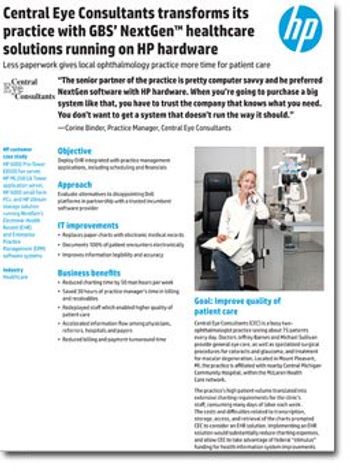
If you truly want to have a thriving practice … then you have to shift your mentality and attitude about how your practice is run.
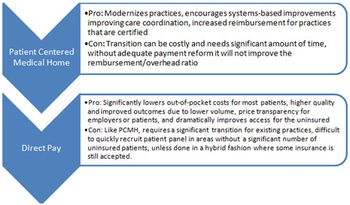
Feel like you can't do the fee-for-service practice model anymore? Here are several examples of new models in primary care that may the answer for you.
How do you answer the patient question: “Is Doctor X is a ‘good’ doctor?”
Health literacy is the ability to obtain, process, and understand basic health information and services. How many of your patients truly have a handle on their own healthcare needs?
When developing a concierge approach for your medical practice, there are six things I recommend doing first.
Author and demographics expert Cam Marston describes how your medical practice must adapt to treat patients of all generations.
Walgreen's, Target, and other retail outlets are selling flu shots, physicals, and an ever expanding list of minor healthcare services traditionally provided in physician offices.
Why physician Katharina Scharruhn thinks about the public's view of doctors and the image she wishes they would see as diametrically opposed.
We surveyed hundreds of American physicians on everything from their views on politics and public policy to their sense of professional satisfaction to how well they’re taking care of themselves physically and emotionally. You’re juggling so many demands on your time. How are you holding up?
Recently, as part of our virtual trade show, Physicians Practice Live!, I gathered some of healthcare's more perceptive thinkers for an in-depth talk about the future of private-practice medicine.

A conversation about best practices physicians can take when treating patients with chronic pain prescriptions.
Poor layout and cramped quarters can decrease efficiency and patient well-being - here are some simple, low-cost solutions.
Where do you stand on exchanging medical services for something other than a direct payment?
The results of medical misunderstandings can be inconvenient at best, disastrous at worst. Here's how to make sure your patients really understand you.
How much of a connection do you think there is between happy patients and favorable finances at your office?
Here's a quick video to get you started with conducting Medicare's Annual Wellness Visit at your medical practice.
What patient-related behavior is hurting your practice the most?
A negative comment online about you or your practice isn’t something to cheer about. But it may not be as bad for you as you think.
Which do you find is the least effective way to deliver information to your patients?