


Sandra Johnson of CliniComp explains why cost has become the biggest barrier to interoperability and why practices should tell their IT teams where fragmented data slows down care.
Sandra Johnson of CliniComp explains why cost has become the biggest barrier to interoperability and why practices should tell their IT teams where fragmented data slows down care.

A former congressman and hospital and medical school advocacy leaders outline which federal health programs could shift in a divided Washington.

Overhead ratio, days in A/R and the owner draw explain why a practice can collect more than last year and still come up short on payroll.
Nearly half of Medicaid members aren't ready for Jan. 1 work rules. Our new handbook shows the front desk how to keep eligible patients covered.

Ambient scribes, chart summaries and AI agents are arriving in routine EHR updates. Here's what to switch on, test and watch.

New CPT codes, a DEA telehealth deadline and a Dec. 31 risk analysis cutoff all run through your EHR. Here's the year-end checklist.

Try cheap solutions now because your most reliable employee may be ready to walk.

A new HHS delegation lets CMS bar practices from Medicare and Medicaid, and no guidance says how it will share that power with OIG in settlements.

A review of 1,536 patient inquiries found those answered within five minutes booked at more than three times the rate of those waiting over a day.

Dina Taylor of HireVue explains how practice managers can use AI to screen a flood of job applicants and how the interview changes when they already know the candidate.

How not to be the administrator who says, I didn't see that coming

Neil Baum, MD, reads “The Giving Tree” as a warning for health care workers: Give generously, but don’t give until you’re a stump.

States are limiting AI in coverage decisions. How billing teams can cite the laws on appeal, and why self-funded plans fall outside them.

The survey revives a stalled bill that would end the physician agreements practices maintain for the nurse practitioners they employ.

Six in 10 practice leaders say they are burned out. These eight moves help keep the person who runs your office from walking out the door.

MGMA Acting CEO Akash Madiah explains where practices leak revenue, why staff retention pays off and two habits administrators can start on Monday.

Plaintiffs' attorneys now pull the EHR audit trail as routinely as the chart. Here's how to make sure yours tells the story you need it to.

The CMS-0057 rule regulates health plans, not practices, but administrators are the ones who have to get the EHR and billing vendor conversations right.

Here's a video primer on forming your practice's approach to technology in the age of AI

UnitedHealth says No Surprises Act arbitration awards are its biggest cost pressure. What practices that use IDR should document now.

Ransomware, cloud failures and power cuts can take your EHR offline without warning. These 20 steps keep patients moving and revenue flowing.

Vendor proposals itemize licenses and implementation. These 10 costs land on the administrator's desk later, and the biggest never arrives as an invoice.

Nearly 1 in 4 licensed doctors is 65 or older. Few hospitals screen them, and practices often have no checkpoint at all.

Federal regulators are fielding thousands of information blocking claims. These everyday practice habits are the ones most likely to draw one.

Most Medicaid improper payments trace to missing paperwork, not fraud. These nine checks close the gaps auditors keep finding.

Family physician Kenneth Qiu, M.D., explains the compliance, staffing and cybersecurity demands that come with growing a direct primary care practice, and why he thinks many stall around five physicians.

MGMA acting CEO Akash Madiah on what members need, what the association must fix and how administrators can stop revenue leaks now.

Heal 360's $20 million settlement over swabs billed as full office visits shows how scribe and template notes can expose any practice.

CMS' 2027 fee schedule proposal would pay for RPM and RTM only when practice employees do the work. Here's what practices should review now.
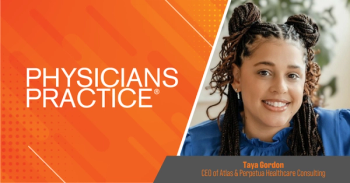
Payers deny with AI while practices appeal by hand. Taya Gordon on retiring 30-day AR buckets, the benchmarks to watch and a quick downcoding check.