






Patients have a growing number of options for care, so providing a personalized end-to-end experience is no longer optional.

Patients have a growing number of options for care, so providing a personalized end-to-end experience is no longer optional.

During a recent trip turned nightmare, a doctor finds parallels between her frustrating ordeal and the patient experience.

The way you apologize may have different implications, depending on how providers say it.
Patient care is the top priority for physicians. But in order to provide patients with the best treatment, physicians must take care of their personal, professional, and public priorities.

Given the evolving consumer preferences, bridging the physical and digital world to drive a unified experience is crucial to patient retention and satisfaction. Here’s how you can achieve it.

Health coaching might be the middleman the American healthcare system needs to make reform a reality.

One independent practice has improved patient outcomes, employee efficiency, and practice revenue by implementing a chronic care management program.

Physicians can stop writing prescriptions and actually help reduce chronic disease, comorbidities and pharmacology by educating their patients about what to eat.

Stay independent and profitable through the use of technology.

Ensure your practice’s long-term health by educating patients about their financial responsibility and staff on how to improve medical billing and collections.
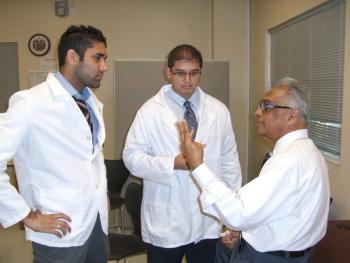
Oncologist Kamal Malaker unexpectedly found himself in need of heart surgery. The experience changed the way he practices medicine.

When physicians don't talk to patients about social determinants of health, they miss the bigger picture.

It’s important to support medical conversations and instructions with clear documentation using straightforward language on well-thought-out forms. Here are a few suggestions to help you get started.

Physicians are people, too. They need a way to relax after a hard day’s work. Twelve of them have found a way to unwind: in front of a crowd, by playing cover songs, and raising money for charitable causes.
When managing a practice gets so tough that you think you may just have to retire early or sell your practice, try to think about what you mean to the patients you serve.

Improve your medical collections by communicating your policies up front.

To paraphrase Abraham Maslow, once our basic needs are met, the most important thing to people is being valued.

As providers, it’s our job to identify and anticipate what patients need. But, in order to deliver the right care at the right time, we need to re-examine our processes and relationships not only with our patients, but also with one another.

As patients increasingly rely on the internet to determine which provider is best for them, online reviews play a critical role in the success - or failure - of modern medical practices.
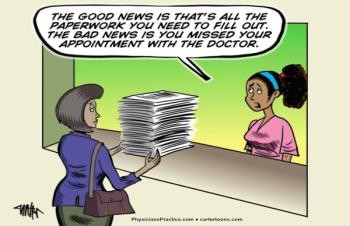
After you finish this paperwork, there's even more paperwork.

Don’t feel attacked by negative online reviews or strung out by false reviews. Learn what your legal options are, then fight back.

The legality of caring for minor patients once they turn 18.

We all want to think it won’t happen to us, but the recent shootings reinforce that you need to prepare for the worst instead of hoping for the best.

Stemming heart disease and stroke is too big of a battle for physicians to tackle alone. Physician assistants can provide some much-needed support by explaining treatment plans, encouraging lifestyle changes, and improving both patient compliance and patient relations.

With the silver tsunami fast approaching, it’s critical that physicians develop workflows to keep abreast of seniors’ health amid anticipated life changes and transitions of care.