
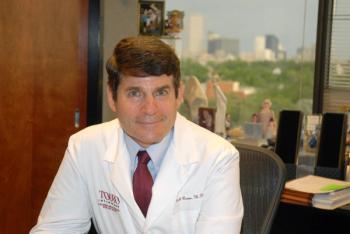
Neil Baum, MD, reads “The Giving Tree” as a warning for health care workers: Give generously, but don’t give until you’re a stump.
Mid-career physicians are rethinking what they will tolerate, and locum tenens offers a way to test a new path without an irreversible leap.
We’re increasingly hearing about the physician pivot: the growing trend of mid-stage physicians making significant changes in their careers. It’s a big move in any career but especially in medicine. When the path to becoming a successful, practicing physician is so arduous, many are often hesitant to rock the boat even if they’re feeling unfulfilled, or worse.
However, expectations are shifting for many physicians. We’re increasingly seeing a greater want and need for better work-life balance and flexibility. A recent American Medical Association
In medicine, a stable, long-term career is no longer a sure bet. With economic uncertainty, hospital budget pressures, and ongoing policy and reimbursement conversations, staying put doesn’t automatically feel “safer” anymore and for some physicians, flexibility has become a form of risk management. Many physicians are now less willing to quietly accept misalignment in their career just because it’s familiar. So what does a pivot look like?
Here are some of the ways physicians are opting to build more flexibility and stability using alternative career options.
Making a career jump from permanent to part-time is not for everyone, nor an easy move. For physicians who are considering opportunities outside of full-time employment, they should be asking themselves direction questions such as:
Physicians today have more options than ever for a career pivot, especially those who are more advanced in their careers. Heath Jolliff, DO, an Ohio-based clinical toxicologist shared
He also advises physicians to identify what they find meaningful in their work, what they don’t like, and establish what their personal values are.
One option gaining popularity and increased credibility is locum tenens. Historically thought of as only a choice for physicians phasing into retirement, locums is becoming a trusted option for physicians opting out of the more traditional models of practicing medicine.
We’ve found that more physicians are learning about it directly from colleagues, considering it as a practical and professional option as part of a long-term career journey rather than risky or fringe. In 2016, only 21% of physicians had ever worked locums but by 2025, that number had nearly doubled to 41%, largely through word-of-mouth recommendations from peers.
Unique to locums is the ability to try it out before fully committing to this career path. Hybrid models allow physicians to essentially test locums before leaving a full-time role, which can be a way to experience what it’s like without being committed out the gate.
Some of these common hybrid paths include:
The truth is that mid-career pressure for physicians is at a boiling point. Many physicians aren’t in crisis, but they are tired of waiting for things to improve. Locums offers a way to regain control, test a different pace, or extend a career without committing forever.
Ultimately, what you’ve done in the past doesn’t have to define your future. Whether you want to keep working bedside in a different capacity, change to part time, try out a new location, or shift to opportunities like clinical trials and research, physicians have more options than ever. And these options can be a trial, a hybrid, or a new chapter, not an irreversible leap. The important part is understanding they exist.