

Peter Reilly, North American health care practice leader at HUB International, joins the show to break down the top risks facing physician practices in 2026.
Austin Littrell is associate editor of Medical Economics.
Peter Reilly, North American health care practice leader at HUB International, joins the show to break down the top risks facing physician practices in 2026.

Rihan Javid, D.O., J.D., co-founder and president of Edge, joins the show to discuss how staffing pressures are landing inside medical practices in 2026.

Carl White, MBA, president of MarketVisory Group, joins the show to explain why good care is no longer enough and what independent practices must do to stay visible and competitive in 2026.

Medical billing software sits at the center of the modern revenue cycle, but the sticker price rarely reflects what practices actually pay.
Colleen Denny, M.D., FACOG, joins the show to break down what patients are hearing online, how medical misinformation shows up in the exam room and why physicians still play a central role in restoring trust.
Michael Jerkins, M.D., M.Ed., a practicing physician and co-founder of Panacea Financial, joins the show to discuss financial independence, physician debt and why financial decisions can quietly take control of a physician's time.

Artificial intelligence is already embedded in documentation, RCM and clinical decision support tools. Here’s how practice leaders can use it more deliberately — and what the data say about where it’s actually helping.

Simple, repeatable coding habits can cut down on denials, support compliance and protect your margins in 2026.

AMGA President Jerry Penso, M.D., MBA, and Practicing Excellence founder Stephen Beeson, M.D., discuss their new partnership and why physician training is shifting away from seminars toward in-the-workflow development.
Pediatrician David Higgins, M.D., M.P.H., M.S., explains why true vaccine hesitancy is rarer than headlines suggest, how social media distorts the picture, and what physicians can do to rebuild trust one conversation at a time.

At MGMA Leaders Conference 2025, panelists explored whether physicians still see medicine as a vocation — and how culture shapes retention, engagement and satisfaction.

Helen Falkner of Jackson Physician Search shares why transparency — not pay or perks — is what younger physicians value most in their leaders.

Helen Falkner of Jackson Physician Search explains how mentorship and engagement programs deliver measurable returns — both financially and in patient care.

Helen Falkner of Jackson Physician Search explains why open, two-way communication between leadership and physicians is the foundation of a culture that keeps talent.
Helen Falkner of Jackson Physician Search says strong peer relationships and early mentorship are among the most powerful drivers of physician loyalty.
Helen Falkner of Jackson Physician Search says maintaining communication between contract signing and start date is one of the most overlooked steps in retention.
Helen Falkner of Jackson Physician Search says that respect, culture, and communication — not just pay — are what truly keep physicians from walking away.
Helen Falkner of Jackson Physician Search explains why retention hinges less on pay and more on leadership, communication, and cultural alignment.

Keith and Austin prepare for the Off the Chart holiday party.

Greg Grant, the Chief Operating Officer of Specialdocs joins the show to explore why 2026 may be a pivotal year for physicians considering the transition to membership-based care.

Bill Heller, chief operating officer at CHG Healthcare, joins the show to talk about physician engagement and other key takeaways from their 2025 Physician Sentiment Survey.

With countless practice management platforms on the market, small and midsize practices need a clear framework for evaluating what will truly support daily operations — and what will just add friction.

Revenue loss in primary care is often driven by everyday coding and documentation habits. These seven common mistakes can lead to reduced legitimate reimbursement without physicians realizing it.

Paul Offit, M.D., joins the show to talk about the state of vaccine and public health skepticism, and what it means for physicians.

Daniel Krajcik, D.O., MBA, a primary care physician with the Cleveland Clinic, joins the show to break down the real-world considerations of bringing rapid testing into the office.

A December JAMA study examines what happens when physicians get built-in time for inbox work.
American College of Physicians President Jason Goldman, M.D., MACP joins the show to talk about medical misinformation.
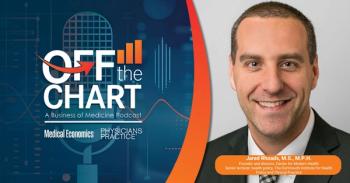
Jared Rhoads, M.S., M.P.H., joins the show with a different take on private equity.

These underused Medicare codes can support better care and more stable revenue.
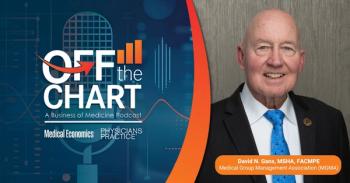
Retired MGMA senior fellow David Gans, MSHA, FACMPE, joins the show to break down the rising costs, flat reimbursement, staffing strain and tech decisions shaping medical practice performance heading into 2026.