
A Texas case investigating physician investment in compounding pharmacies could have nationwide implications for any form of ancillary service.
A Texas case investigating physician investment in compounding pharmacies could have nationwide implications for any form of ancillary service.

Outside of an Obamacare repeal, it is nearly certain that mandatory requirements of compliance programs are here to stay. Here's how to prepare.

When patients "check in" via social media, it may help cyber-thieves check out their personal information, something practices should be aware of.
Recent reports accuse the federal government of doing exactly what HIPAA prohibits: sending consumer data to private companies for sales and marketing.

Here's a primer on how co-management agreements work in healthcare, a pay-for-performance tool picking up steam among physicians.

Rarely does the federal government hand physicians a tool that makes life a little better. That’s what OIG Opinion 12-22 does, and now data backs up the theory.

A new rule by CMS to punish "bad actors" and new concern with the Independent Payment Advisory Board highlight the problem with Medicare and Medicaid.

At present, the question of providing free, or reduced costs drugs to patients, is a multifaceted problem which defies easy solutions.

Ancillary services, like toxicology screening, are part of good patient treatment. So let’s stop scolding docs for getting paid for doing it.

Election Day winners promise the Affordable Care Act will fail. But what if it had actually had been given a chance to work?

Despite a recent expose by The Wall Street Journal, the in-office ancillary exception to the Stark Law will remain the most commonly used tool by practices.

Two nurses exposed to the Ebola virus in Dallas should not be scolded, as the CDC has done, but praised for their dedicated service to the public.
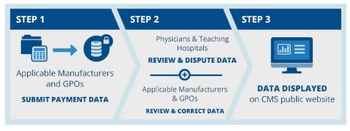
CMS has unveiled its Open Payments website, revealing gifts to physicians. Here's what you need to know about the site and its information.

The insanity of CMS' Open Payments portal might benefit physicians. The key is a little civil disobedience to demonstrate the true value of physician time.
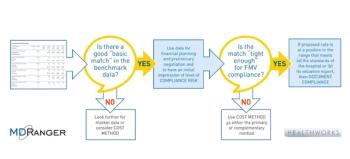
Here's an overview of hospital-based coverage contracts involving physicians and five key compliance tips to keep in mind.
Physicians in Texas and nationwide are the focus of an income tax fraud scheme. Here's what you need to know to protect yourself and your finances.
If you have been terminated by a provider, or notified you will be terminated, here's what you should know to know your recourse as a medical practice.

Here's what the requirement to be "commercially reasonable" means under the Stark Law and Anti-kickback Statute and what physicians need to know.

In the new value-based reimbursement environment, co-management arrangements can align the interests of physicians and hospitals. Here's what you need to know.
Not only is it important that physicians report payments via the Sunshine Act, but also verify they match the amount the gift-giver is also reporting to CMS.
An attempt by CMS to repeal a Sunshine Act exemption for payments made to speakers at accredited CME events has physician associations hopping mad.
Many are still confused about accountable care organizations. Here's how they came about, and how the Medicare ACO program works.

A tax and business formation lawyer shares the legal risks physicians must consider prior to investing in or working for ancillary service providers.
State case ruling indicates that patients may lack standing to successfully sue practices for potential damages due to a HIPAA breach.
Hospitals are not only marking up and selling 340B-discounted drugs, but also buying up clinics to take advantage of the discount – a clear "progress trap."
Payers can no longer exclude patients due to pre-existing conditions, so they are resorting to other tactics.
Veterans may soon be able to seek care from private providers for up to two years, if they face long wait times at VA facilities.
Let's take the mystery out of business associate agreements. Here's when you need to use them and why.
When it comes to understanding why we need HIPAA compliance, government regulators are on one side of a very wide river, and physicians are on the other.
The "recredentialing trap," strict payment reviews, and fingerprinting are all underway or on the horizon as ways payers are bullying physicians.