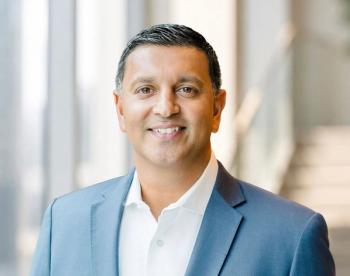
MGMA acting CEO Akash Madiah on what members need, what the association must fix and how administrators can stop revenue leaks now.
American physicians are embracing alternative practice models, like concierge and direct primary care, to enhance autonomy and improve patient relationships.
The landscape of American medicine is undergoing a fundamental shift as physicians increasingly move toward alternative practice models to reclaim their autonomy. According to
This growth comes as independent physicians face an unlevel playing field characterized by flat reimbursements, escalating administrative demands, and the growing dominance of large hospital systems.
While often grouped together, concierge and DPC models have distinct financial structures. As outlined in the Health Affairs study, concierge practices typically charge an annual retainer fee while continuing to bill insurance for visits and procedures. Approximately 60% of clinicians in the study sample billed Medicare, suggesting they operate under a concierge or hybrid model.
In contrast, direct primary care practices operate entirely outside the insurance system, charging patients a monthly or annual fee for a predetermined set of services. This model allows physicians to opt out of the "prior authorization nightmares" and coding requirements that often drive burnout.
Despite being originally viewed as a way to preserve independent ownership,
Medical experts in a
Workforce shifts and policy headwinds
The primary care workforce in these models is also changing. The share of physicians in these practices fell to 59.7%, while the proportion of advanced practice clinicians (APCs), such as nurse practitioners and physician assistants, rose to 40.3%.
Panelists from the
Practical strategies for practice viability
For practices that remain within the traditional fee-for-service system, experts recommend maximizing revenue through chronic care management and remote telemonitoring. Others suggest adopting AI-assisted documentation to reduce "charting at home" and allow for more mindful patient interactions.
As Rebekah Bernard, M.D., noted during the