A former congressman and hospital and medical school advocacy leaders outline which federal health programs could shift in a divided Washington.
A new federal rule makes it far cheaper for practices to challenge denied and reduced payments, but Anders Gilberg of MGMA says the harder problem is getting insurers to pay up after physicians win.
When a patient is treated by an out-of-network physician at an in-network hospital, the resulting payment dispute is supposed to be settled through the No Surprises Act's independent dispute resolution process. A newly finalized rule is meant to make that process work better, and for practices, the headline change is significant: the fee to initiate a dispute has dropped from $115 to just $15.
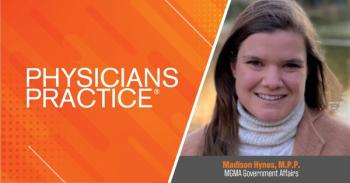
In this episode, Physicians Practice Managing Editor Keith Reynolds sits down with Anders Gilberg, senior vice president of government affairs at the
Don’t miss our recent episodes on
Moonlit Whispers by Cephas -
A Textbook Example by Skip Peck -
Editor's note: Episode timestamps and transcript produced using AI tools.
0:00 – 0:23 | Sponsor message
0:23 – 0:56 | Cold open Gilberg previews one of the episode's central frustrations: physicians win the vast majority of payment disputes through arbitration, only to never receive payment.
0:56 – 1:46 | Introduction Austin Littrell introduces the episode and guest, previewing what the new independent dispute resolution rule changes for practices.
1:46 – 4:06 | What the IDR rule is and where it came from Keith Reynolds opens the conversation, and Gilberg recaps how the independent dispute resolution process grew out of the No Surprises Act to settle out-of-network payment disputes, often involving specialties like emergency medicine, radiology, pathology and anesthesia.
4:06 – 5:17 | What the final rule changes Gilberg explains the two biggest wins: the fee to initiate a dispute dropped from $115 to $15, and new remittance codes will tell practices which claims actually fall under the No Surprises Act.
5:17 – 6:12 | What the delay cost practices With the rule under regulatory review for more than two years, Gilberg says the lag kept fees high and left practices to navigate ambiguity over which claims were even eligible.
6:12 – 8:20 | Where the administrative burden still sits New transparency codes will help, but Gilberg says the process remains cumbersome and points to a bigger problem: physicians win arbitration more than 80% of the time and still go unpaid, with enforcement legislation needed to make payers actually pay.
8:20 – 11:01 | The payers' pushback Responding to insurers who say the rule does too little to stop ineligible claims, Gilberg argues they are hiding behind a handful of egregious cases while ignoring how often physicians legitimately prevail, and acknowledges that a few profit-driven ownership arrangements are rare exceptions.
11:01 – 11:52 | P2 Management Minute Keith Reynolds shares practice management tips and invites listeners to submit their own workflow ideas.
11:52 – 14:08 | What it means for administrators Gilberg notes the IDR process mainly affects hospital-based specialties like emergency medicine, anesthesia and radiology, but advises any administrator to treat denials more seriously now: the path from a 30-day negotiation to baseball-style arbitration is clearer, cheaper and tends to favor the practice.
14:08 – 16:41 | What practices should watch for next Gilberg doesn't see the rule as a signal of broader change, but flags a busy regulatory year ahead: two pending HIPAA rules on privacy and security, the physician fee schedule due in early July and payment issues set to expire at year's end, with a post-election lame-duck session likely to determine the rest.
16:41 – End | Outro Austin Littrell thanks the guest and wraps the episode.