

News|Articles|January 19, 2026
7 fixes for underperforming billing software
Author(s)Austin Littrell
Fact checked by: Keith A. Reynolds, Afton Woodward
Medical billing software sits at the center of the modern revenue cycle, but the sticker price rarely reflects what practices actually pay.
Advertisement
Sticker prices rarely tell the full story. Recent reporting on billing software shows that practices are often caught off guard by costs that show up later, often capable of turning what looked like a reasonable monthly transcription into a much larger line item.
On the back end, denials remain one of the biggest sources of wasted effort. Industry analyses summarized in the
For a small group, that’s thousands of dollars a year in avoidable write-offs and labor.
At the same time, billing software has become more sophisticated. Modern platforms bake in claim-scrubbing tools that check submissions against payer rules and coding edits. Some now offer autonomous or artificial intelligence (AI)-assisted coding that reviews documentation, looks for missing elements and suggests corrections before a claim is sent.
Other tools use AI to prioritize work queues, watch for patterns in denials and help keep claims processing compliant and consistent.
For practices, the challenge is not just buying the “right” software — it’s using what they already have in a way that protects revenue instead of eroding it.
Advertisement
Related to this article

Most Medicaid improper payments trace to missing paperwork, not fraud. These nine checks close the gaps auditors keep finding.

Payers deny with AI while practices appeal by hand. Taya Gordon on retiring 30-day AR buckets, the benchmarks to watch and a quick downcoding check.

Most practices have a cyber plan and an AI policy. Far fewer can show either one works. Here's how to turn paperwork into proof.
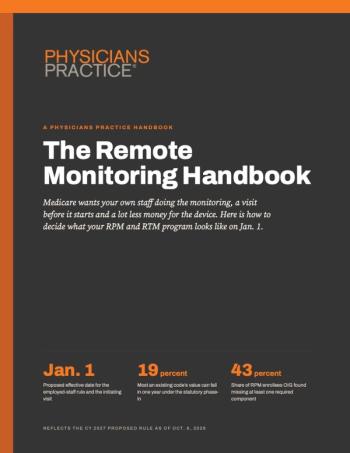
A 2027 Medicare proposal would stop paying for RPM time logged by vendor staff and cut device payments. Our handbook walks through what to do.

An IDR win isn't a check. Payers have 30 days to pay, courts won't force them to and CMS admits awards are slipping through.

A Utah program allows Nolla Health's AI to prescribe acne treatment within physician-approved limits. Physician review scales back as more patients enroll.

Six national physician organizations warned that claims of AI superiority undermine patient trust, putting new attention on how practices set rules for AI use by clinicians and staff.

Ransomware, cloud failures and power cuts can take your EHR offline without warning. These 20 steps keep patients moving and revenue flowing.
Advertisement
Advertisement
Trending on Physicians Practice
1
7 audits to run on scribe and template notes before a whistleblower does
2
20 steps to keep your practice running when the EHR goes down
3
10 ways your practice could be information blocking without knowing it
4
Know your numbers before chasing new revenue, says MGMA's Akash Madiah
5