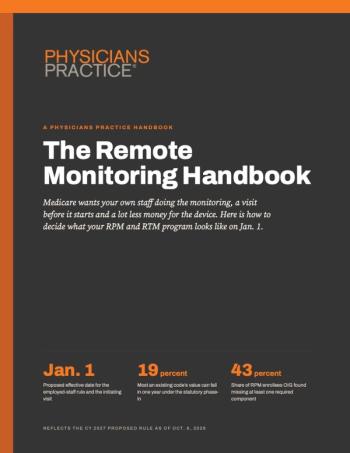

CMS' 2027 fee schedule proposal would pay for RPM and RTM only when practice employees do the work. Here's what practices should review now.
Meet ChatGPTHealth: encrypted, physician-collab info that helps patients interpret records, prep visits, and manage wellness; without replacing doctors.
Patients and physicians searching for health topics is one of the most common ways people use ChatGPT. Over 250 million people ask for health and wellness advice every week. The program is designed to personalize the health information, so responses are more relevant and useful for each patient. The responses are created in close collaboration with physicians, but they are intended to provide medical information, not advice. ChatGPTHealth helps patients take an active role in understanding and managing their health. ChatGPTHealth uses encryption to protect health conversations and patient data. The program is intended to support, but not replace, physician advice.
Health information is readily available through apps, wearables, PDFs, and podcasts. With so many options for patients to navigate a complex healthcare system. Patients have shared stories of turning to ChatGPTHealth to help them understand medical information.
ChatGPTHealth allows patients to connect their medical records and wellness apps—like Apple Health, Function, and MyFitnessPal to help interpret test results, prepare for appointments, get advice on diet, and offer a workout routine. The program even provides insurance options.
To keep your health information secure, ChatGPTHealth uses end-to-end encryption to protect patients’ data.
Let me share my experience with ChatGPTHealth for my personal problem with insomnia.
You said:
I am an older physician and have no trouble falling asleep. However, I have difficulty staying asleep. What suggestions do you have for me?
ChatGPT said:
Thank you for sharing that. Falling asleep easily but waking repeatedly during the night—especially to urinate—is very common, but it is often improvable. The goal is not “perfect sleep,” but longer, more continuous sleep and better daytime energy.
Below are practical, age-appropriate suggestions, starting with the highest-impact steps.
1. Address the most likely culprit: nighttime urination
At your age, the #1 cause of sleep fragmentation is nocturia.
What you can do:
If you have leg swelling:
These steps alone can reduce nighttime awakenings by 1–2 trips.
2. Adjust expectations about normal sleep
With aging:
What helps is protecting the second half of the night, when sleep is lighter.
Helpful strategies:
3. Optimize the bedroom environment
4. Rethink naps (this matters)
Long or late naps reduce nighttime sleep depth.
5. Review medications (very important at your age)
Some medications worsen nighttime awakenings:
Ask your doctor if timing adjustments are possible (often helpful).
6. Gentle sleep aids that are safer in older adults
Avoid: Benadryl, Tylenol PM, “PM” products (increase fall risk and confusion).
Safer options to discuss with your doctor:
7. Screen for two overlooked causes
Sleep apnea
Mood or anxiety
8. When to seek medical help
If you:
A focused evaluation can help a lot—and usually does not require sleep medications.
Key reassurance
Many older people improve their sleep without pills by addressing nocturia, medication timing, and light sleep physiology.
Final reassurance
Your sleep system still works—it just needs consistent, gentle signals.
This routine retrains it without medication or risk.
If you’d like, I can also:
Just let me know.
ChatGPT can make mistakes. Check important info.
I found this “conversation” with ChatGPTHealth to be useful and would help patients with the same complaint. My only criticism was that there needs to be an explanation of “double-void” as I don’t think most laypersons understand that term.
Bottom Line:
ChatGPTHealth is designed to support, not replace, medical advice. It is not intended for diagnosis or treatment. Instead, it helps patients navigate their FAQs without the necessity to contact the physician’s office. I believe that in the future, more patients will use ChatGPTHealth, and it will be necessary for physicians to accept this new addition to patient education and advice.
To test ChatGPTHealth, you can sign up for free