




How does the recent telemedicine ruling in Texas correlate to mail-order pharmacies? Martin Merritt explains in this blog.

How does the recent telemedicine ruling in Texas correlate to mail-order pharmacies? Martin Merritt explains in this blog.

Receiving cash for a referral is the most obvious gift that violates the Anti-Kickback Statute. Here are eight more.

Physicians can learn a lot about risk analysis from the recent EHR vendor False Claims Act and subsequent settlement.

You have an obligation to ensure patients are protected and retained when their physician leaves your practices. Here's what to do.

Have you gotten a notice that you are being sued for malpractice? Here are some steps you should take, experts say.
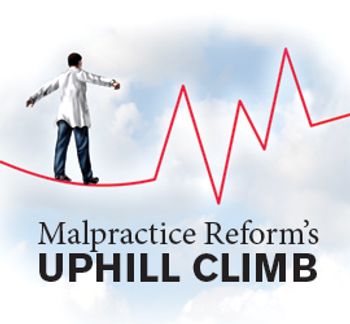
Despite a Republican Congress and White House, experts are skeptical about federal medical tort reform bills becoming law.

For the first time ever, practice owners no longer represent the physician majority, according to a new AMA study.

A recent executive order to ensure federal computer systems are safe from attack has implications for medical practices as well.
A continued look at a two-physician couple and the multi-million dollar difference a complete risk-management planning update made to their family.
The Department of Justice filed its second lawsuit this month against UnitedHealth, alleging inflated risk adjustment payments.

In our recurring blog "Inbox," we get reader feedback on the future of healthcare reform.

Why this is a challenging time for providers who are finding themselves penalized excessively by CMS and without appropriate recourse or justice.

Admitting mistakes as a physician is never easy, but providing patients with the truth is part of a physician's job.

New survey shows difference in pay between male and female docs. CMS announces states now have until 2022 to meet Medicaid standards of care requirements.

Did you get a subpoena asking for documents or asking that you appear for testimony? Here's what you need to know.

Healthcare organizations are perfect candidates for cyber-attacks, practices need to step-up and meet protection challenges.
The next chapter in a physician couples' risk management overhaul sees them getting proper life and disability insurance.

If physicians didn't have enough to worry about with fraud, they should be wary of bankruptcy trustees seeking "claw backs."

Medical advocacy groups continue to oppose the GOP's healthcare repeal efforts, speaking out against the latest iteration of the AHCA.
Asset protection and risk management tips to help physicians stay up to date in an area where one misstep could prove costly.
In our recurring blog "Inbox," we get reader feedback on adhering to HIPAA laws and whether or not DPC is a fit for your practice.

While prescription registries have made it easier to track down drug seekers, they are not foolproof. Here are red flags you should be looking out for.
HIPAA laws can be broken in one social post, don't let your practice fall victim to simple social media indiscretions.

A practice is discovering that the universal truth around HIPAA compliance is there is no universal truth. Every scenario is different.
When your practice is under a False Claims Act investigation, here are some steps to take from a legal perspective.