
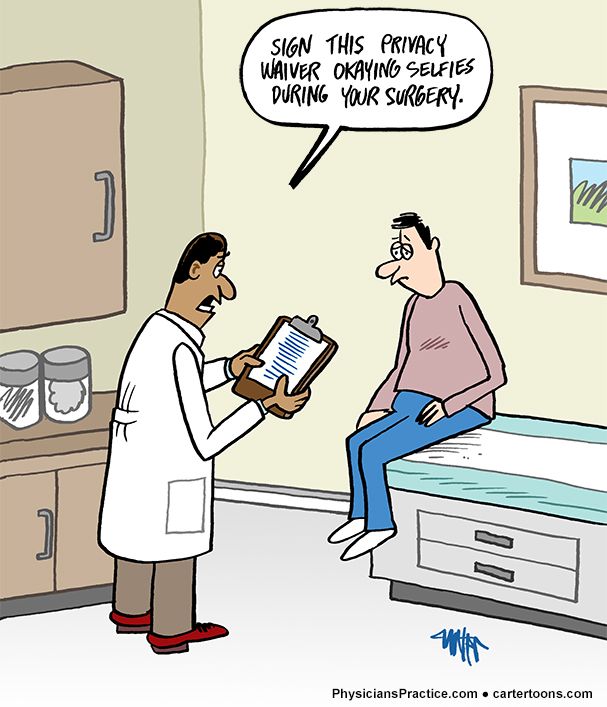




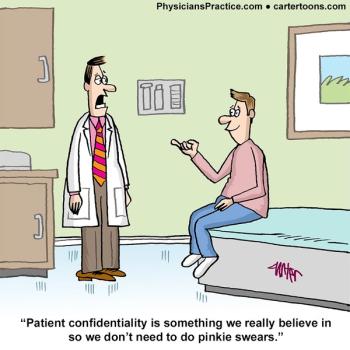
Here's an interesting way that one patient is trying to ensure his confidentiality is held secret within the walls of the examination room. It's unnecessary.

Here's an interesting way that one patient is trying to ensure his confidentiality is held secret within the walls of the examination room. It's unnecessary.
We often think of IT departments when we think of meeting HIPAA regulations, but the heart of compliance is in human resources.

Even if you're totally HIPAA compliant and know that your portal is secure, your patients may not be so sure.

A perfect storm of HIPAA audits and an increasing threat from hackers could spell disaster for your practice. Avoid this fate.

Different types of data breaches at two hospitals in Michigan and New Mexico underscore HIPAA liability concerns.

Some HIPAA violations can be caught and fixed before the damage is done. Here are a few ways to do so.

Some HIPAA violations are obvious, but others can be less so and easy to miss. Here are four.

What do physicians have to know about the legal ramifications about prescribing or recommending medical marijuana to a patient?

Password security isn't just for providers. Practices should make sure its patients are using tough passwords when using their patient portal.
It's important that physician practices stay compliant with HIPAA by executing business associate agreements with various vendor partners.
Choosing good passwords and protecting them is a small but key part of guarding your patients’ protected health information.

From background checks on employees to investing in new software and hardware, your practice has to be prepared. Here are five ways to stop a cyber criminal from infiltrating your EHR.

No practice is too small to not worry about a cyberattack. Here are four reasons you should be concerned that your EHR is at risk.
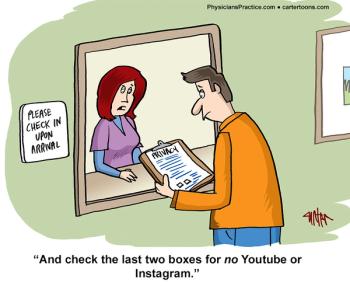
One practices has figured out a way to keep their patients from breaking HIPAA rules and using social media when they are in the exam room.

Before you decide to create your killer mobile health app, this lawyer advises you look at the FTC's guidance on developing one.

Here’s what you do when a HIPAA violation affects your patients, but is the fault of one of your business partners.

Lost laptops, tablets, and phones are among the most common ways patient privacy is breached. Here’s what to do if it happens to you.
A recent ruling from an administrative law judge emphasizes the importance of HIPAA compliance for physicians.
Small practices can take steps to avoid being hit with ransomware. The key focus should be on implementing technical safeguards and working with staff.
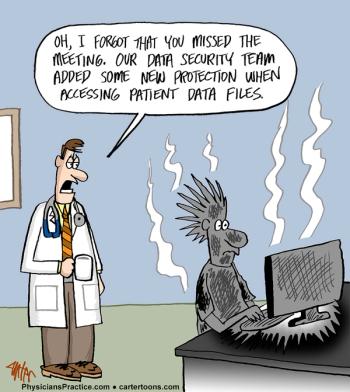
This physician's practice found a more effective way to protect patient data. However, it may have come at his colleague's expense.
Despite the increasing threat of cyberattackers to healthcare organizations, protections are not being put in place to safeguard patient data.

Here are some resolutions practices can make to commit to and execute upon a strategic compliance plan in 2016.
A recent rule on the National Instant Criminal Background Check System (NICS) and an article on mHealth show why it's important to stay on top of HIPAA and mental health.

The OCR is doing more HIPAA audits this year, and you need to be ready. Here’s how to do your own internal audit.
The Office for Civil Rights is upping its HIPAA audit game this year. If you want to be safe, you will, too.