





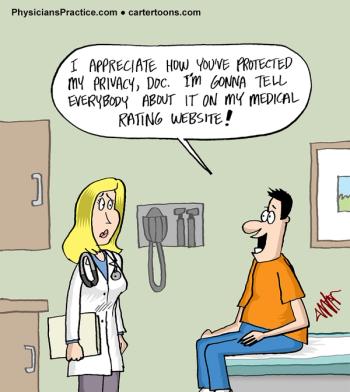
In this day and age, protecting the privacy of patients is becoming harder to achieve - in some cases, because of patients.

In this day and age, protecting the privacy of patients is becoming harder to achieve - in some cases, because of patients.

Recent guidance from the U.S. Department of Justice can help structure compliance programs in relation to HIPAA and cybersecurity.

Here are different ways practices can avoid major billing errors that could lead to HIPAA violations and identity theft.

More healthcare organizations - and thus, more patients - are being victimized by cyber criminals. Physician practices are not immune to this threat.

Want to avoid seeing your practice getting an audit from OCR? Here are six simple steps you can improve data security.

The latest guidance from the FDA in relation to cybersecurity vulnerabilities is something that physicians and patients need to know.
A recent case indicates that practices cannot cut corners when it comes to ensuring business associates are compliant with HIPAA.
Once they understand the full meaning of the law, a lot of the negative connotations healthcare providers have on HIPAA can be dispelled.
Phase 2 HIPAA audits are coming up soon. Here are five tips on how they differ from Phase 1 and what you should know.

The issues of increased cyber-hacking risks and difficulty collecting from patients with high-deductible health plans are unlikely to cease in 2016. Be prepared for both.
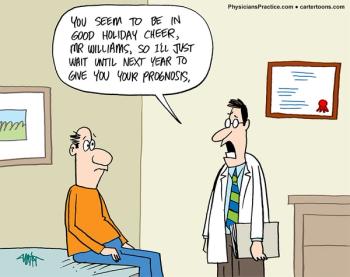
It’s the holiday season! For a doctor and patient, that means the prognosis can wait until 2016.
Having a proper plan in place to dispose of computer and electronic equipment will protect your New Year’s celebrations from getting ruined by a data breach.
Recent Office for Civil Rights (OCR) settlements with pricey fines highlight the continued need for HIPAA and HITECH compliance.

Patients have many legitimate reasons for recording their doctor's visit. But before you say "yes" make sure to understand state and federal statutes.
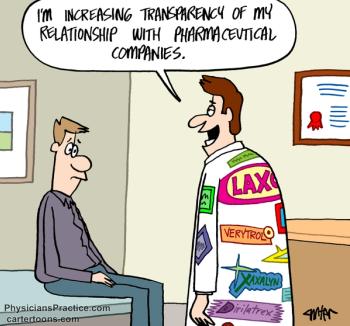
There is one way doctors can be more transparent to their patients about their relationships with pharmaceutical companies.

Conversation-practicing simulations is a new method for physicians and providers to improve a critical element of healthcare: communication.

Patients are more empowered than ever to access health information through social media. How can physicians benefit from this brave new landscape?

This doctor’s patient has all but lost her short-term memory. Unfortunately, the doctor seems to be the only one who sees it.

If you ask physicians the most intimidating part of their practice, many of them would state the challenge of online communication with patients.

Being a primary-care doctor often means “minding the gap” for patients and serving as therapeutic reassurance for patients unsure of specialists’ plan of care.
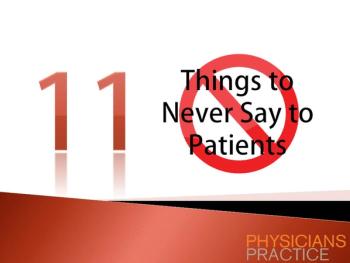
Physician-patient interactions can be rife with emotion. Here are phrases physicians should take care to avoid during these situations.

A recent ruling in Texas is important for physicians to know, because it shows that laws regarding disclosure can have exemptions.

Physicians hold a sacred trust to guard their patients' secrets, dignity, and lives. Succumbing to the temptation to vent frustrations is never right.

Don't avoid social media just because of HIPAA fears. Social networking, done right, can bring multiple benefits to your practice.

Court signals federal HIPAA violations do not prevent claimants from bringing a state common-law suit; cautions physicians on the extent of practice liability.