







Risks are evolving, here's how to keep your patients and employees safe.
Risks are evolving, here's how to keep your patients and employees safe.

Top six tips from expert advice.
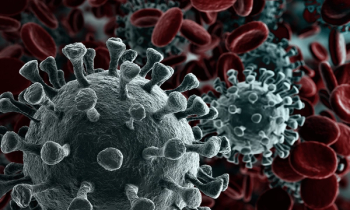
The evolving coronavirus landscape is resulting in various responses.

Consider the probability of success and the risk of failure if you pick the wrong specialty to treat your practice.

New proposal will reimburse NPs, PAs, and physicians at the same rate regardless of clinical training.

Halloween starts the office holiday party season, when employment lawsuits against medical practices can spike.

Your practice is at risk from the devices right at your very fingertips. Learn how to secure the technology you use to keep your patients healthy.

Learn how to identify signs of workplace violence and how to respond to a potential threat.

We think we know our employees, but in reality, we only know as much about their lives outside the workplace as they want to tell us. What they’re not saying could put the safety of the entire office at risk, so it’s more important than ever to be proactive and have a plan.

What you need to know about active shooter insurance for your medical practice

The leading cause of physician burnout also puts patients at risk of medical errors, the third leading cause of death in the United States.
We all want to think it won’t happen to us, but the recent shootings reinforce that you need to prepare for the worst instead of hoping for the best.
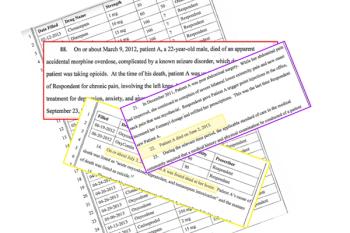
The Medical Board of California has investigated the prescribing practices of about 450 physicians whose patients overdosed on opioids months or even years later.

Some room-temperature drugs are approved to spend up to 24 hours in temperatures from as low as the upper 50s to as high as 104 degrees. But scientists just don’t know how a number of medications respond to more extreme temperatures.

One nurse at an addiction treatment program carries opioid-reversal drug naloxone, brand name Narcan, to save a life whether she's on or off the job. She's been denied life insurance because the life insurer can't distinguish those who carry naloxone to save others and those who carry naloxone because they are at risk for overdose.

We all want to think “it will never happen here,” but the recent shootings reinforce that you need to prepare for the worst instead of hoping for the best.

Primary care practices can create a stronger culture and compliance by prioritizing safety for both patients and employees.

From data analysis to violence prevention, here are seven ways for your practice to avoid putting patient safety at risk.