








What the new ONC Information Blocking rules say and why.
What the new ONC Information Blocking rules say and why.
What ‘data sharing’ is and how it's is different in an independent practice versus a hospital system.
Promoting your practice using effective methods can be the difference between gaining and losing business.

What independent practices should consider when adopting remote patient monitoring services.

In an environment of ongoing change and uncertainty, virtual care is a powerful, permanent option for patients and physicians alike.

AI can decrease strain on nurses and other healthcare professionals and allow them focus on the tasks technology cannot address.

Having the right digital marketing expertise and growth strategy tailored to consumers’ preferences is essential for moving forward and staying profitable.

While texting can make things a lot easier (and more profitable), it can also be easy to unknowingly violate HIPAA regulations.

Online reputation management is critical for all healthcare practitioners.

Physicians Practice® spoke with Dr. Reena Pande, chief medical officer of AbleTo, about the current standards and challenges physicals are facing with care and access solutions.

Why search engine rankings and optimization should play an important role in your digital marketing strategy.

As more states enact biometric laws (although none are as robust as Illinois), healthcare AI companies, covered entities, and business associates should take note and take steps to update compliance programs in order to reduce the risk of a lawsuit and a potentially criminal HIPAA violation.

Text messaging patients is a great way to increase recalls and keep them healthy. Texting campaigns have increased patient services revenue and improved care compliance. Simple text message templates, scheduled in advance, will make it easy for your staff.

Improve your local online presence to increase patient volume.

Automation is improving communication, flexibility, and work-life balance.
Seven easy ways to expedite the incoming phone call process at your medical practice.

Text messages for patient payments and insurance verification make a difficult task easier. Tweak your technology to get paid on time and reduce the friction in your patient billing process.
Physicians Practice® spoke with Michael Morgan, at the time the CEO of Updox and a contributor to Physicians Practice, to discuss the new technologies that you should consider implementing in your practice and why implementing a virtual care strategy will be so important post COVID.

Online marketing is not easy and takes some time to plan, but here are five strategies to start attracting new patients to your medical practice.

Preparedness in the post-pandemic era demands that the healthcare industry disentangle itself from the fax machines, pagers, land lines and other unwieldy implements of a bygone age.

Email is one area ripe for AI innovation.
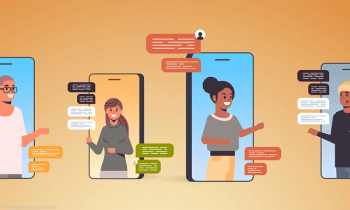
Appointment reminders are a great place to begin text messaging patients. Patients want them, laws (e.g., TCPA) are relatively lenient toward them, and they can reduce no-shows. See how to text message patient appointment reminders effectively.
Physicians Practice® spoke with Nick Cherukuri, the CEO and Founder of ThirdEye Gen, to discuss the potential new application of a visual technology to the world of healthcare.

Providers can reap the rewards of a digital transformation that boosts efficiency and profitability, but they must first invest in the right technology.

Text messaging patients is a great way to boost engagement. But, it can be difficult to get patients enrolled in a text messaging service. Spam calls and texts are pervasive and TCPA penalizes improper text messaging practices.