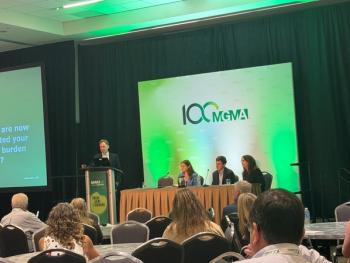
From payer contract homework to a 15-minute morning huddle, these are the moves practice administrators can make after four days of sessions and interviews at MGMA's centennial meeting.
Operational levers that practice administrators can pull to give clinicians their evenings back
In primary care, the documentation often takes longer than the visit. Charts pile up through the day, the inbox keeps growing, and the cleanup ends up at home after dinner. None of that is inevitable. Some practices and some clinicians keep the work inside the workday. The rest are losing time to fixable problems.
For administrators, this is an operational issue before it's a wellness one. The schedule slips; charts hang open and slow down billing; good clinicians start updating their LinkedIn quietly, and replacing one when they leave runs into real money and real disruption. The practices that move on this early treat documentation burden as a retention problem that they can solve. The ones that don't tend to treat it as a wellness problem they can't.
Here are 10 operational changes a practice administrator can lead. Most can be done within one quarter.