

News|Articles|February 25, 2026
AI that actually helps your practice: 7 tips for administrators
Author(s)Austin Littrell
Fact checked by: Keith A. Reynolds, A.C. Baltz
Artificial intelligence is already sitting inside your EHR, revenue cycle tools and phone system. Here’s how to use it on purpose, not on autopilot.
Advertisement
In 2026, it feels like artificial intelligence (AI) is everywhere. It’s embedded in ambient documentation tools, coding platforms and contact centers, and often turned on by vendors long before physicians and practice leaders have a clear strategy for what they want it to do.
According to the
- Related content: “
The new malpractice frontier: Who’s liable when AI gets it wrong? ”
In a Medical Group Management Association (MGMA) Stat poll of 177 applicable respondents cited in
For independent practices and health systems alike, the question is no longer whether AI will show up, it’s how to decide where to use it first, what to say no to and how to build guardrails that protect patients, clinicians and the business.
This slideshow outlines seven concrete moves physicians, practice leaders and administrators can make to put AI to work in manageable, defensible ways.
Advertisement
Related to this article

New CPT codes, a DEA telehealth deadline and a Dec. 31 risk analysis cutoff all run through your EHR. Here's the year-end checklist.

The CMS-0057 rule regulates health plans, not practices, but administrators are the ones who have to get the EHR and billing vendor conversations right.
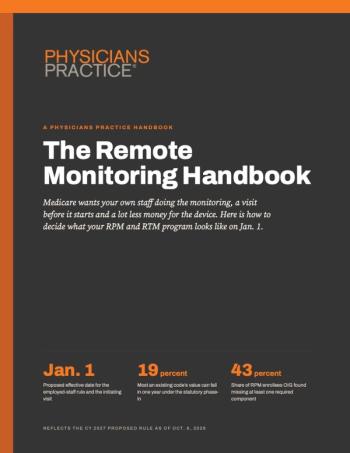
A 2027 Medicare proposal would stop paying for RPM time logged by vendor staff and cut device payments. Our handbook walks through what to do.

Ambient scribes, chart summaries and AI agents are arriving in routine EHR updates. Here's what to switch on, test and watch.

Plaintiffs' attorneys now pull the EHR audit trail as routinely as the chart. Here's how to make sure yours tells the story you need it to.

Here's a video primer on forming your practice's approach to technology in the age of AI

Ransomware, cloud failures and power cuts can take your EHR offline without warning. These 20 steps keep patients moving and revenue flowing.

Vendor proposals itemize licenses and implementation. These 10 costs land on the administrator's desk later, and the biggest never arrives as an invoice.
Advertisement
Advertisement
Trending on Physicians Practice
1
16 AI features already in your EHR, and how to use them
2
15 EHR updates your practice needs to make before Jan. 1
3
Shutdown deals could decide Medicaid and ACA subsidy changes after the midterms, policy panel says
4
Workplace friction is driving staff out the door. Here's how to smooth it out
5