Six national physician organizations warned that claims of AI superiority undermine patient trust, putting new attention on how practices set rules for AI use by clinicians and staff.
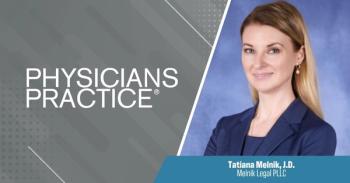
Immigration attorney Katie Russell explains why medical practices should worry less about ICE raids and more about whether their I-9 binder is in order.
The dramatic workplace raids that dominated headlines last year have given way to a quieter but no less consequential threat for medical practices: compliance audits. And while most practices have nothing to worry about, the ones that aren't prepared could be in for a serious headache.
Physicians Practice: You mentioned it's less of the dramatic stuff when it comes to practices, more clerical, ticky-tack, we shall say. What has led to the shift in priorities? Last year especially, we were seeing a lot of workplace raids. What's shifted, and is there really an increased risk of these clerical issues compared to years past?
Katie Russell: I would say that this is something that's pretty consistently come across our desk. It's not something that's new. I guess I'll say that it's just something we've seen kind of a low volume of, just in the background at all times. The best thing that you can do, really, is just be prepared, making sure you have all that documentation done, that you have good training. I have been hired by a number of different employers recently just to come into their offices, come into their practices, and just sit down and meet with everybody on staff. What happens if ICE shows up? What type of documentation must be provided? Having a contact person or a go-to person with a walkthrough of, "These are the things that we need to do if an ICE officer shows up." Or even if it isn't ICE, it could be another type of federal immigration office that may want to come do a worksite visit. It could be something like someone here on an H-1B visa, for instance. Those aren't necessarily ICE, but those are still immigration officers or folks that are coming in just to ensure that there's a proper filing in place, that the right disclosures have been made, that the person is doing the job that they're supposed to be doing.
It really does not get the media attention, because these aren't fancy fireworks, but it's more of a background thing. I always tell folks, if you have us come in, or have an attorney come in, or have your HR go get some training on I-9 compliance and making sure that your visa documentation is in order, that is going to save so much of a headache later on down the line if something happens.
This really isn't anything new, but because of everything else going on with immigration generally, a lot of folks are going, "Well, wait a second here, is there any type of exposure that we could have if ICE shows up and knocks on the door?" So just making sure that all your ducks are in a row. Most practices have absolutely nothing to worry about. I know that's not really going to sell much, but the fact of the matter is that it comes with preparation and planning. If you've got a non-citizen that's working for you, or if you've sponsored a non-citizen with a work visa, you should already have had an immigration attorney that helped you with that process, either someone in-house or if you have someone that you petitioned for. We keep a very close eye on all of our employment-based cases, even after approval, because if there's a change in someone's job duties, if there's a material change in what they do, or a change of pay beyond a certain threshold, that technically requires an additional filing to be submitted to USCIS to amend it. So it's a lot of low, simmering attention that needs to be spent on it, but just making sure you've got the right people and practices in place, that's going to save you so much of a headache.