
Most Medicaid improper payments trace to missing paperwork, not fraud. These nine checks close the gaps auditors keep finding.
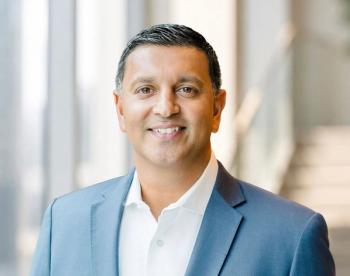
Most staff touches to get claims paid never produce revenue, MedEvolve CEO Matt Seefeld says, and the wasted work is crushing practice margins.
Most of the staff effort medical practices pour into getting claims paid never produces a dollar of revenue, according to touch-level data from a revenue cycle analytics company, and the cost of that wasted work may be straining practice margins more than denials themselves.
Matt Seefeld, CEO of MedEvolve, told Physicians Practice that across roughly 30 million staff interactions his company has analyzed, 78 to 85 percent of those touches were non-actionable, meaning they did not move a claim toward payment. He calls the cumulative cost a "touch tax," money spent on human work that generates nothing in return.
The comparison he reaches for is April 15. Practices pay, in staff time, for work on claims that never pays them back. At $5 to $9 per touch by Seefeld's estimate, a group of 25 providers can burn through about $1 million a year on touches that drive no revenue, he said. Practice management and EHR systems were built to record transactions, he added, not to flag whether a given human touch actually produced a payment.
Much of the waste comes from routine follow-up habits: working claims too soon, working them too often or chasing claims that never needed a second look. To measure it, MedEvolve tracks indicators such as the share of avoidable touches, which Seefeld said should sit at roughly 15 to 20 percent but often runs much higher when a client starts. Two others he flagged are a first touch payment rate, whether a payment arrives after a claim is worked once, and average touches to resolve a claim, which he said should land between 1.1 and 1.3 even for complex specialties. "We don't want to measure performance on feelings," he said, arguing that touch data lets managers judge staff objectively rather than by gut.
The denials practices fixate on are often self-inflicted, Seefeld said. In MedEvolve's analysis, the most common denial reason was eligibility and coordination of benefits problems, followed by coding and then prior authorization or no claim on file, all front-end breakdowns a practice controls before the patient is treated. The company has built operational benchmarks around that work, framing repeated denial-related follow-up as a denials tax in
Seefeld is skeptical of revenue cycle AI that promises to remove humans from the process without tracking whether claims actually get paid. Many automation vendors he has spoken with cannot say what happens to a claim after their tool touches it, he said, and the result shows up in his data: a cheaper AI touch followed by a human touch to clean up the mess, and a rising share of write-offs on work that never gets reimbursed. His advice to practices weighing these tools is direct: "Show me how you train your models on payments."
The stakes, he said, are clearest for physicians watching overhead climb and reimbursement fall, some of whom are narrowing which insurers and patients they accept to stay solvent. Recovering even part of the money lost to wasted touches, he argued, buys practices room to make different choices. Practices that want to start should measure the work itself, claim by claim, he said, and press any AI vendor to prove its tools are trained on whether the practice actually gets paid.