
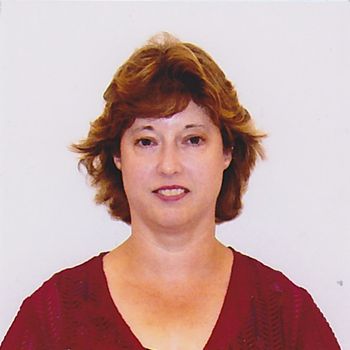
North Carolina has the best of everything for physicians that make its challenges easier to bear, according to pediatrician Julie Schopps.
North Carolina has the best of everything for physicians that make its challenges easier to bear, according to pediatrician Julie Schopps.

Family physician Shankar Santhanam weighs the good and the bad about practicing medicine in New Jersey.
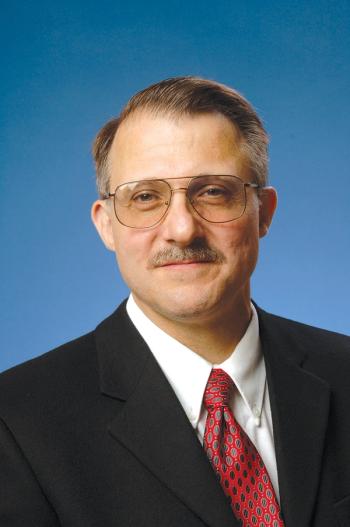
Psychiatrist Michael Privitera explains why New York is beautiful and diverse, in spite of regulatory hurdles for physicians.
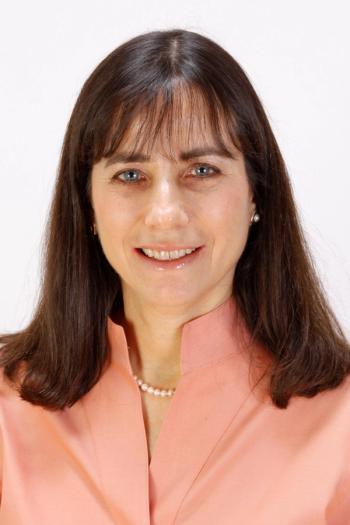
Gynecologist Cynthia Cooper explains why practicing medicine in New Hampshire is mostly great for independent-minded physicians.
OB/GYN Robert Grover explains why practicing medicine in Maine is a mixed bag.
Louisiana is as culturally rich as it is hot and humid, and cardiologist Robert Freedman rarely imagines practicing anywhere else.
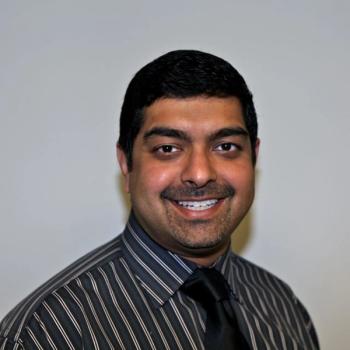
Family medicine physician Saroj Misra shares his enthusiasm for Michigan while also touching on the challenges he faces every day.
Kentucky native and family physician Kathy Nieder shares her enthusiasm for the Bluegrass State, and Louisville in particular.
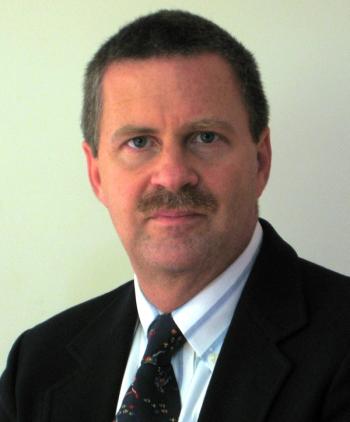
Internist Douglas A. Gerard discusses why practicing in Connecticut makes for a happy physician despite high taxes and other challenges.
Practicing medicine in sunny, desert-landscaped Arizona has a lot of benefits, but it’s not without some challenges, according to pathologist Moneil Patel.
Physicians may have heard value-based care programs will gain traction over the next five years, but are they ready for it?
Why today's medical students are technology hounds, more employment-minded than ever, and interested in patients' overall well-being.
Standardized data exchange is becoming more important to practices. Here's what you need to know to get started.
New research from Merritt Hawkins reveals a growing interest in value over volume, and in recruiting primary-care physicians.
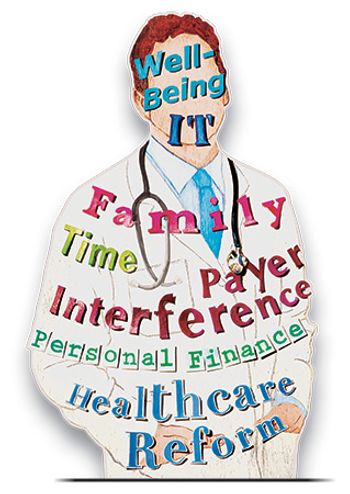
Our 2013 Great American Physician Survey, Sponsored by Kareo, reveals physicians striving for work-life balance amid the changing landscape of healthcare today.
Technology now allows practices to offer prepayment services to patients. Here’s how it can help your practice’s bottom line.
An increasing number of physicians are 'digital omnivores,' which points to a need for better security policies.
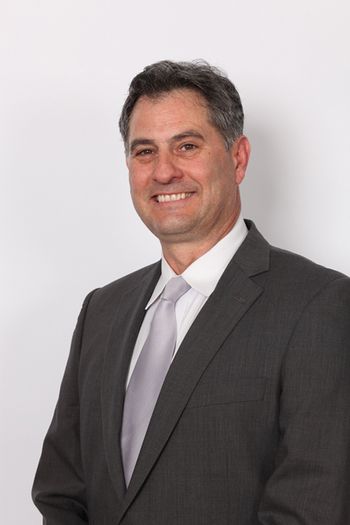
By taking charge, tapping into technology, and implementing changes, chiropractor Jeff Robichaud lowered patient no-shows at his Massachusetts practice.
Technology can help medical groups accommodate more patients, in addition to improving efficiency and outcomes.
Physician practices must prepare for more patients. One not-so-new idea that has merit is hiring more nonphysician providers.
The Affordable Care Act’s Medicaid expansion means more patients at your practice. Here’s how to accommodate them.
In this podcast, healthcare expert Laurie Morgan discusses key trends and challenges highlighted in our Great American Physician Survey, Sponsored by Kareo.
Our 2013 Great American Survey, Sponsored by Kareo, suggests older physicians are happier with their careers.
Physicians very often have a clear vision of how things could be improved at their practices. What would you do if money was no object?
Getting paid at your medical practice is may get harder - so why not give patients payment information in advance?
Why investing in business intelligence technology for data analytics may be a smart move for small medical groups.
How media tablets have evolved into the ideal physician-companion device.

A cheat sheet (and comparison guide) to the best tablets for docs.
Thanks to the Affordable Care Act, physicians can expect to see more Medicaid patients, but not necessarily more reimbursement.
Our 2013 PayerView data, compiled by athenahealth, suggests difficult times ahead. Here are some steps to increase payer performance at your practice.