




While one practice built their own EHR to address population health, another solution is accessing information about specialists

While one practice built their own EHR to address population health, another solution is accessing information about specialists

Training physicians can be a challenge, but there are many upsides, including real-time patient record updates and physician satisfaction

Failure to properly train your staff can lead to costly mistakes when documenting using EHR.
Seema Verma, President Trump's choice for CMS Administrator, has advanced in the nominating process and is closer to confirmation.

Facing something like the Zika epidemic is challenging for any healthcare organization, but especially when they lack significant resources.

Data-sharing collaborations between payers and providers have potential to improve the bottom line for healthcare organizations and the health of their patients.

To ensure practices' data are secure from breaches, a cybersecurity expert made the case for an open-minded and multidisciplinary approach to better compliance.

Technology is a useful tool to personalize the patient experience along the care journey while improving well-being and producing better outcomes.

Two attorneys with expertise in cybersecurity outlined steps practices should take to minimize the threat of ransomware at HIMSS17.

One of Nebraska’s largest health plans put down the telephone and picked up mobile-enabled tech to show true gains in its care management efforts.

Diversity in your organization isn't just the right thing to do, some experts say it can improve care plans and add practical value.
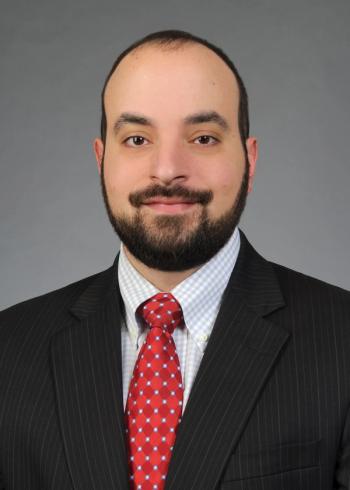
Old government regulations need to adapt to new healthcare technologies, advises a former DOJ attorney.

The Cleveland Clinic’s Adrienne Boissy described how those in healthcare can overcome misconceptions about digital engagement at this year’s HIMSS17 conference.
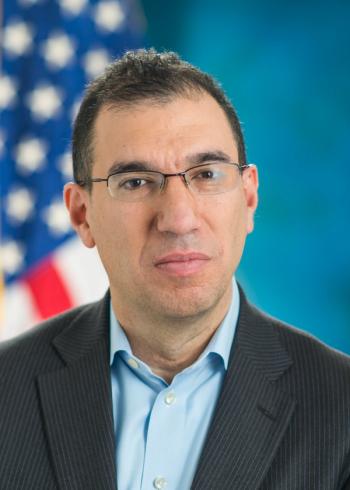
Former CMS Administrator Andy Slavitt said the fact a majority of physicians hate their current technology means there’s room for improvement in health IT.

With a goal in making electronic patient engagement efforts as informative and user-friendly as possible, health care practitioners are challenged with maintaining the security and privacy of patients.
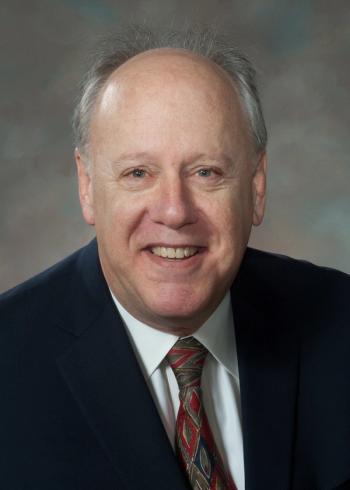
Physician input is crucial to drive real-world value and the feasibility of innovative healthcare technologies.

No matter the size of the healthcare organization, communication is one key to ensuring a smooth transition to a new EHR system.
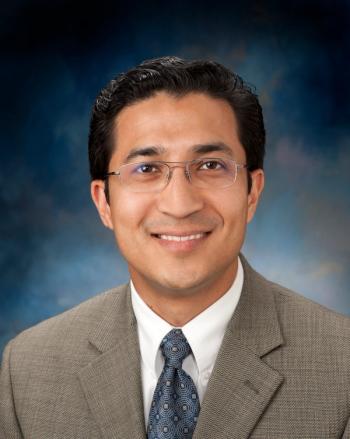
The chief innovation officer at UPMC says that improved usability in IT systems isn't about interfaces - it's about fitting into a doctor's work flow.

Here are some suggestions for the 2017 Healthcare Information and Management Systems Society (HIMSS) Conference.

Movie, music, and publishing revenues are a shadow of what they were 10 years ago thanks to new technology and delivery systems. The same can be said of healthcare.

From tools to help report on quality measures to automatic matching of diagnosis codes, practices should speak up to improve EHR usability.

From documenting care in real time to being as specific as possible, there are steps you can take to minimize malpractice risk.

While there are challenges associated with providing patients with EHR access, the benefits make it worth it, according to two experts.

Keeping emotions out of it, having a "Plan B," and being able to walk away are three key skills you need when negotiating.

You don't have to be a TV doctor to effectively reach a potential audience on Twitter, says new research on doctors using the social media platform.