




A growing array of electronic tools are available to patients, but physicians and practices must first embrace them.
A growing array of electronic tools are available to patients, but physicians and practices must first embrace them.

Like every computer system, each EHR creates its own virtual reality. The danger stems from mistaking this "virtual" reality for actual "reality."
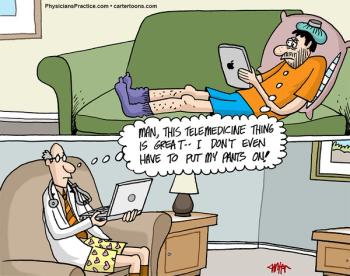
Telemedicine allows certain luxuries for both physician and patient - for better or worse.

Good news: My practice is switching to an iPad-enabled EHR. Bad news: I may never truly be off-duty again since I'll always be connected.
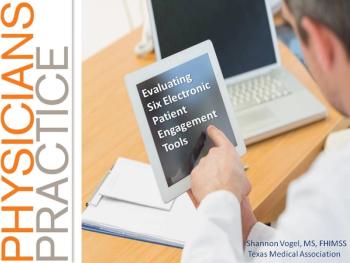
Electronic patient engagement tools are great to connect physicians and patients, but they also come with challenges.

One physician explores the "dance of documentation" between physician, patient, and EHR; and a potential new partner: the medical scribe.
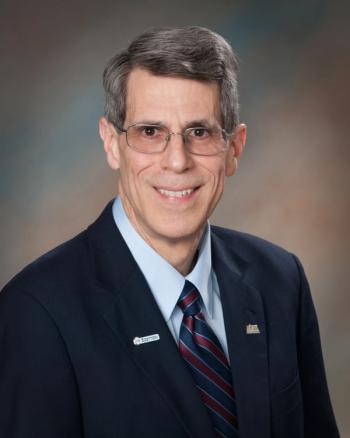
Physician engagement in health IT selection and implementation is "a must," says a fellow physician. Here's how to make it a reality at your practice.

Attending HIMSS15 from a solo or small medical practice? A primary-care physician recommends three stops to make during your time in Chicago.
Make the most out of the HIMSS15 Conference with these 10 tips of things you can't miss in Chicago.

Despite delays, ICD-10 demands superior technology now. Here's how to know if your vendor is your partner or an obstacle as the transition nears.

Forget patient portals, faxes, and snail mail. E-mail is more accessible, so here are five ways to securely communicate with patients and peers.
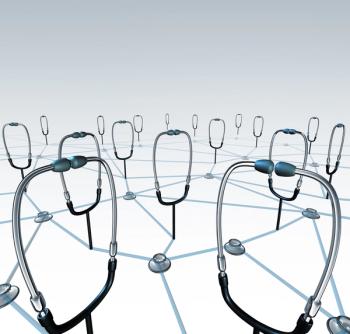
Our fragmented, disconnected, crisis-based medical system where doctors bear no consequence for cost, but liable for everything, is a wasteful money pit.

Under the proposed rule, all providers, regardless of prior program participation, would attest to Stage 3 in 2018. Here's what that means for physicians.

Here are a few of the objectives and measures in the Stage 3 proposed rules to meet meaningful use that could be most challenging for physicians.

Have you had a chance to read through the proposed rule for Stage 3 of the government's EHR incentive program? If not, we've got you covered.
Once implemented, EHRs don't run automatically. You have to train staff prior to and after integrating a new system to ensure a smooth transition.

Your current EHR may not be the best for meaningful use, so you may need a new system. Here's how to re-train your staff and physicians if needed.

Data hogs from hospitals to EHR purveyors should take the investor's creed much more literally: "Pigs get fed but hogs get slaughtered."

How can we combat some of the problems that are arising due to EHRs? Here’s my prescription.

Big data can yield big benefits but, when things go wrong, can create big problems that will forever be beyond the ability of people to anticipate.

As portals become more common, physicians should find ways to maximize their value and encourage patient use. Here are five ideas.
The EHR at my facility takes three separate login steps to get into the record to document a patient encounter or retrieve information. Is there a better way?

With a proposed change to Stage 2 reporting of meaningful use, practices should stay on top of notices and important dates highlighted by CMS.
Believe it or not, EHRs and Los Angeles County's mental health problem have a lot in common.

New wearable and ingestible wireless diagnostics promise to improve quality of life for physicians and patients … if EHRs would cooperate.