







There are four payment technologies to put on your radar as you prioritize plans for upgrades or the installation of new technology. [Sponsored]
There are four payment technologies to put on your radar as you prioritize plans for upgrades or the installation of new technology. [Sponsored]

How do physicians view meaningful quality metrics, as defined by CMS? Not favorably, according to one survey.

Two lawyers share a way that healthcare providers can challenge insurer recoupments in the ongoing struggle with payers relating to provider reimbursement.

Despite resistance from providers, patients, and the DOJ, Anthem is not giving up on merging with Cigna. Plus, CMS hands out star ratings.

Stricter government standards for the FCA suggest that physicians who do not meet all measures of compliance could be required to refund claims payment.

Healthcare reform promises to improve care, reduce cost, and afford more people access to care. But at what cost will those goals come?

When using third-party vendors for certain practice functions, it's always wise to take a close look at their performance.

Could a delay to the start of MACRA be in the works? Also, what makes radiology a unique specialty when it comes to physician pay?

In this edition of the Physicians Practice Pearls Podcast, we speak with Anupam Jena, a researcher who studied the pay disparity between black and white physicians. Why do black physicians earn significantly less?

Successfully participating in MIPS or an APM will depend on meeting new measures and thresholds. Here are six key points to consider.
The 60-Day Rule, which forces physicians to return overpayments to CMS, was recently clarified. What should physicians know about it?

Despite HIPAA protections, young adults still on parents' health policies have little privacy. In some states, that is beginning to change.

In our recurring blog "Inbox" we share comments from physicians and practice administrators telling us what keeps them awake at night.

If most doctors got three wishes from a genie, what would they be? This doctor says that he only needs one and it involves red tape.
HHS is giving $100 million to help small practices implement MACRA over five years; Zika relief funding faces hurdles in Congress.

M. Samir Qamar, a family medicine physician, made the switch to direct primary care a few years back and hasn't looked back. He explains why he loves it.

In our recurring blog "Inbox" we share comments from physicians and practice administrators telling us what keeps them awake at night.
With the California Insurance Commissioner recommending the DOJ block the Anthem-Cigna merger, it seems that patients are finally being put first.

Many physicians are considering a private care model in response to growing pains stemming from healthcare reform. But how long can they function without oversight?

Your practice's physicians may hate filling out those conflict of interest questionnaires, but they are important in complying with the federal Stark Law.
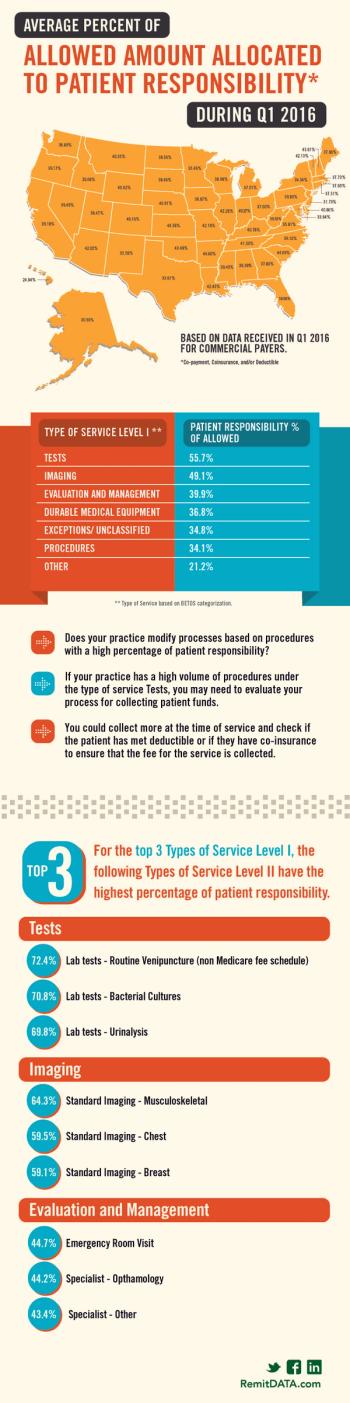
What state allows for almost 50 percent patient responsibility? Also, which services have the highest percentage of patient responsibility?
In our recurring blog "Inbox" we share comments from physicians and practice administrators telling us what keeps them awake at night.

A recent ruling from the U.S. Court of Appeals emphasizes why it's important for physicians to not cut corners.

Spending a few minutes explaining health insurance benefits to patients prior to the appointment should become a requirement.

Dr. Rebecca Fox talks about her new practice and the next steps in her healthcare journey.