







Medical practices must make it a point to periodically review payer websites and make sure that their information is correct.

Medical practices must make it a point to periodically review payer websites and make sure that their information is correct.

It’s hard enough as private practice doc in today’s reimbursement environment. Medical school debt can make it worse, here are tips to avoid this issue.

A guide to helping physicians better understand the process of Medicare-based reimbursement for PAs. What do you have to know?

The personal services safe harbor law exists to protect physicians from prosecution when they receive payments for legitimate services.


Private payers are finding fraud and abuse as a way to recoup funds they say were wrongly paid. Here's how to respond to these requests.

Enrolling or revalidating clinical staff in Medicare just became much easier for this billing services provider.

More insured patients will be paying more out-of-pocket expenses and higher deductibles for their care. This could be bad news for docs.
Most providers can probably share "war stories" over frustrating experiences they've had with a payer. Here are a few we've accumulated.
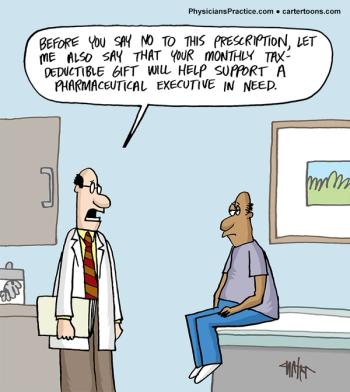
The price of that prescription might be weighing on your patients' minds, but let them know that by accepting it, they are helping someone in "need."

New Jersey is already a primary-care physician shortage area. A new state plan makes the problem worse by giving state employees special status.

A new Medicare initiative will reimburse physicians for episodes of care, rather than individual procedures. A hybrid concierge model could preserve income.

How can practices know what they are getting paid, if they are not tracking payer reimbursements and running financial reports?


By having an exact plan of action in place, your company will suffer less from insurance company abuse and mistreatment, and you'll be managing them, instead of them managing you.
Confused over how PAs get reimbursed in the healthcare system? Here are a few guidelines to help you out.

More administrators are threatening to kick providers out of a preferred provider network. Here's tips on how to avoid this fate.


When you are wrongfully denied for a single code or entire claim, do you know what to do?

Insurance plans are using the audit process to recoup payments for services which were preauthorized, based on charting. What should practices know?

A recent change to Medicare reimbursement of PET scans shows why physicians need to stay abreast of this kind of information.

If you think you can just outsource revenue cycle management and walk away, think again. Here are five tips to ensuring a successful partnership.
While many practices are reining in expenses, it may make sense to outsource revenue cycle management as a way to improve your bottom line.

We asked physicians and administrators what their resolutions were for 2016, either personal or professional. Here's what they said.

Practices must explore new collection strategies for patients with high-deductible plans that require more financial responsibility.