



Each year, athenahealth ranks payers on how easy they are to work with providers. Here are the top 20 in the Medicare category for 2015.

Each year, athenahealth ranks payers on how easy they are to work with providers. Here are the top 20 in the Medicare category for 2015.
Each year, athenahealth ranks payers on how easy they are to work with providers. Here are the top 20 in the Medicaid category for 2015.

Patient satisfaction is doubly important now that it is a payment metric. Make sure you are doing everything possible to get the top scores you deserve.

A little preparation by your practice before reaching the negotiating table with payers could mean a big difference in reimbursements.

One of our payer quality metrics is more like student standardized testing - the intent is good, but the result is a poor indicator of true success.

Stay on top of your claims and denials with these four tips to spot problems early and maximize payer reimbursement.

You may want to help patients experiencing financial difficulties and you can, but be sure to do it the right way to avoid a payer audit and penalty.

From actually locating your payer contracts to making negotiations effective, here are five strategies for your medical practice.

A few trends affecting payer contracts can't really be resolved with better organization, but should be kept in mind.

Reduce the number of unpleasant surprises when the ICD-10 coding system goes live in October by starting tests now.

To stay solvent, practices will need to work smarter and refine staff roles so that all employees are working to the top of their license.
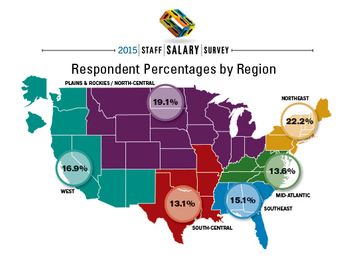
Regional medical practice data from the 2015 Staff Salary Survey, exploring compensation levels for key medical practice staff based on years of experience.

Complete national medical practice data from the 2015 Staff Salary Survey, exploring compensation and related trends.

RemitDATA's Aaron Hood explores the most common unexpected denials at practices nationwide, with a special focus on radiology.

Paying primary-care physicians more is a proven winner, but a Michigan study indicates that health plans playing penny-ante get what they pay for.

Have an upcoming contract negotiation with a payer? Let Marcia Brauchler give you three key strategies before you sit down at the table.

It's possible to be reimbursed for a preventive visit and a problem-focused visit performed on the same day, but proper documentation and coding is critical.

Can a Supreme Court ruling on teeth whitening make the case against physician exclusion in narrow networks, exchange plans, etc.? Perhaps.

For us, the health insurance companies represent a huge problem. We believe the solution is single payer, and we’re doing something about it.

Here are eight simple tips from practice management experts to collect more of the money your practice is owed by patients and payers.

I hate to think that medicine will become like a cookbook, because there are so many things that just don’t fit inside the box.

CMS' newest shared-savings payment and delivery care model features higher risks and higher rewards. Here's how it differs from current ACO models.
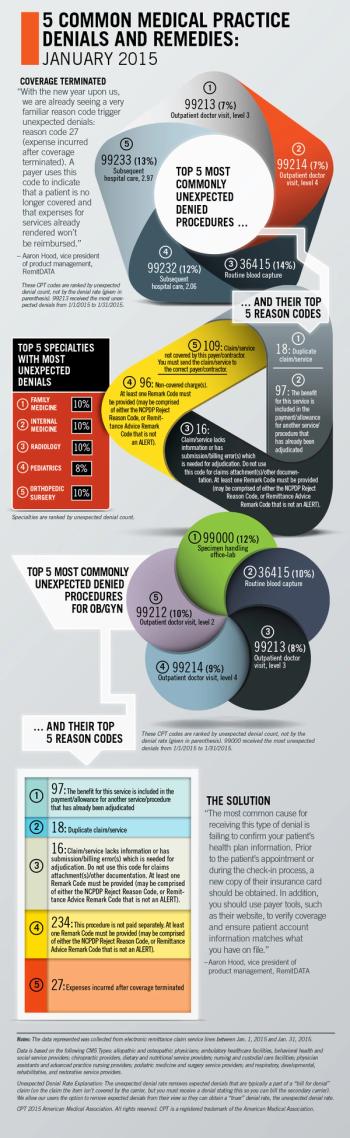
RemitDATA's Aaron Hood explores the most common unexpected denials at practices nationwide, with a special focus on OB/GYN.
Medicare's new value-based modifiers are complex. Here are the important points your practice should know about getting paid for value.

More payers are forming narrow networks and excluding certain physicians from their plans. Here's what your practice should do about it.