






Helping patients understand they have to pay for their care can be difficult. Here’s a guide that helps break it down.

Helping patients understand they have to pay for their care can be difficult. Here’s a guide that helps break it down.

Medical billers can feel like game-show contestants when trying to collect payment from insurance companies.

This survival guide offers key activities to move a practice beyond reactive management and toward a proactive approach to optimize performance.
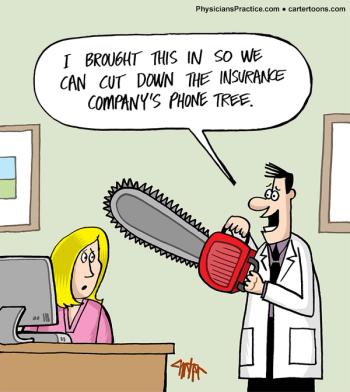
Frustrated with the way your payers' communicate with your practice? Here's a novel solution.

Despite various changes in the healthcare industry, payer negotiations can help your medical practice prosper - if you prepare and leverage your data.
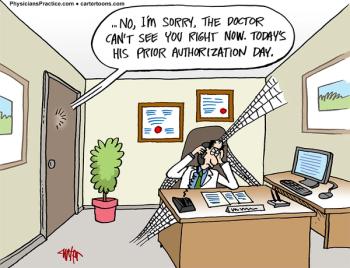
Spending time and energy cajoling a payer to approve a medication or procedure can be time-consuming and interrupt your practice day.

Here are nine good reasons to receive all in-network payer remittances via the Automated Clearing House system.

Patients and payers are your two main practice revenue sources. Here's how to collect more for the work you do every day.

Practice-payer alignment is more important than ever before and should involve a third party: your health IT vendors. Here's why.

To ensure your medical practice does not leave money on the table, proper physician credentialing is a must.

CAQH ProView, a standardized electronic application form can reduce the time and resources needed for credentialing.

Opportunity for human error abounds where physician credentialing is concerned, which can expose your medical practice to financial loss.

CMS issues proposed two-midnight rule modifications and the reduction in the role of recovery audit contractors.

There are multiple health insurance plan mergers looming right now, here's how they may affect your practice.

Independent integrated networks are being driven by independent physician organizations, coalitions, and alliances between physicians themselves.

Monitoring patients remotely is one way to reduce healthcare costs, but it may also facilitate outcome-based reimbursement programs.

Incomplete or inaccurate patient information can set the stage for a claim denial before a visit. Avoid these mistakes at the front desk.

Lack of feedback from back to front office on coding issues perpetuates a cycle of denials. Here are five tips to help get claims paid the first time.

A change in coding for behavioral screenings illustrates how payer payment policies negate any big-data promises of ICD-10.

Sometimes, you have to add a little muscle to the way your staff approaches patient payments and other collections for your medical practice.

Under the HIPAA Omnibus Rule, patients can request a restriction on disclosure of PHI to a payer if they pay out of pocket, in full for a service.

Pay-for-performance programs often set up complex metrics to define quality, when simple solutions to the initial problem would be far more effective.
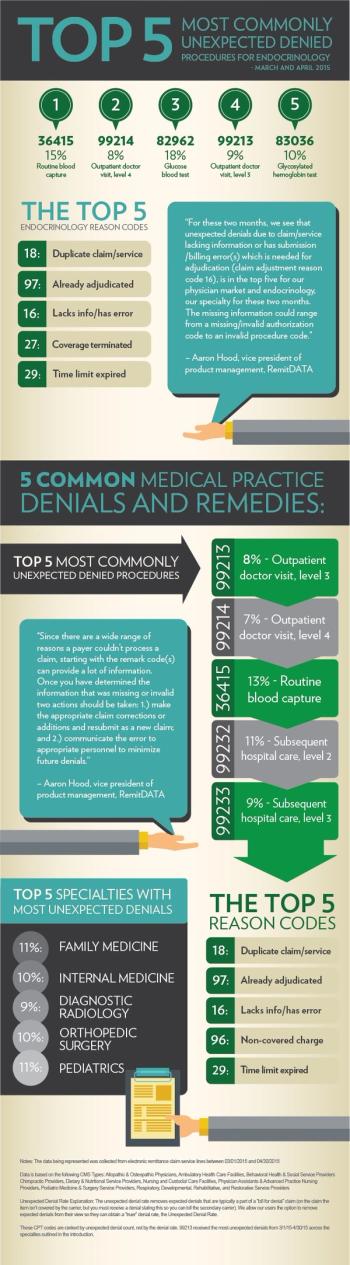
Get insight on the most common unexpected denials at practices nationwide, with a special focus on endocrinology, from RemitDATA.

When it comes to complex payer rules, the most effective course of action is to consult experts for a thorough review of the rules and consequences.

Practices can often feel helpless when it comes to working with payers. Here's how they can change that dynamic and become empowered.