







Health outcomes are a result of social, behavioral and economic factors that physicians can’t control-but can help patients with.
Health outcomes are a result of social, behavioral and economic factors that physicians can’t control-but can help patients with.

Why the old-fashioned fax machine needs to go.

While technology has enhanced care, it has also presented us with new challenges. Take a look at five important HealthTech take-aways from 2019 and how they will help change our industry in the coming year.

For most physicians, EHRs are no longer optional. Even though they are challenging, EHRs are not impossible to use.

How your practice can learn from a recent case

In this tight labor market, stop searching for the perfect candidate. Train them instead.

Social media usage by physicians is at an all-time high, but it brings new risks with it

Medical device and communication software continue to be an area of interest for federal government agencies.

Take advantage of new technology and technology consumption habits to improve patient engagement while boosting your bottom line.

Medical practices of all sizes need to pay attention to cybersecurity, but it’s not a one-size-fits-all scenario.

Your practice is at risk from the devices right at your very fingertips. Learn how to secure the technology you use to keep your patients healthy.

Storing and accessing patient records can be a big hassle, especially when practices are experiencing a business transition. Learn how to maintain compliance and avoid potential lawsuits.

MIPS reporting is more complex now, but the more you invest in quality improvement, the stronger your outcomes will be.

Don’t be lulled into a false sense of security. Take action to protect your practice and your patients’ data against cyberattacks and data breaches.

Social media is a great way to connect with other physicians and patients, but it’s also a platform where you could injure a third party’s reputation or where someone could injure yours. Learn what defamation is and when you might need to seek legal counsel.

The youngest generation in the workforce wants meaning and stability. Here’s how to show them the meaningful work your physician practice does.

New research is studying the effects of stress and long hours on physician intern health, and it’s changing their DNA.

Learn how to leverage technology so you can make better clinical decisions for your patients.

You owe it to all your patients re-examine your exam room to see how you can provide a high level of care for everyone, including those with mobility limitations.

A recent study from MGMA reveals the top technologies that increase practice efficiencies.
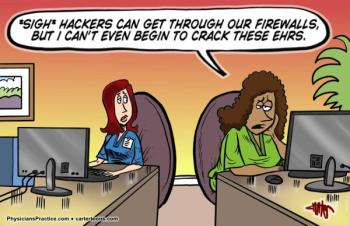
What happens when hackers can get into your system, but you can’t.

Millennials and Generation Z are leading the charge, but everyone benefits when they can choose how they communicate with their physician.
Millennials and Generation Z are leading the charge, but everyone benefits when they can choose how they communicate with their physician.