








In the wake of COVID-19, healthcare organizations are scrambling to not only protect their patients' lives, but their data and privacy as well.
In the wake of COVID-19, healthcare organizations are scrambling to not only protect their patients' lives, but their data and privacy as well.

This is Part III in this series and the focus is on the cybersecurity donation Anti-Kickback Statute (“AKS”) safe harbor and Stark Law exception.

5 tips for improving virtual bedside manner.

Consider an optimized, secure email communications strategy

The advantage begins at the front door

The best ways to treat patients with chronic conditions using telemedicine
Some potential challenges with the technology in this clip from our interview.

CCM and RPM can improve outcomes, the patient experience, and your bottom line.

How providers can stand out in a consumer culture.
Jonathan Wiesen, MD, founder and chief medical officer of MediOrbis, discusses specialty telemedicine and its uses.

More physicians are turning to new innovations that can improve the patient experience and raise the level of care necessary as we navigate these new times.

New messaging services offer higher value and flexibility, while empowering both your staff and patients.
How you can pivot to a virtual patient and family advisory council.

How digital tech can help build a diabetes management ecosystem.

Rich Miller, chief strategy officer of Qgenda, offers some advice and insights for practices as they tackle their capacity management.
Rich Miller, chief strategy officer of Qgenda, discusses how COVID-19 affected clinical capacity in the early stages of the pandemic and how it will have lasting effects on capacity management into the future.
Rich Miller, chief strategy officer of Qgenda, discusses what practices should be looking for when optimizing their clinical capacity management processes.

The key will be effective use of integrated technologies to streamline workflow and automate time-consuming processes.

How your practice can leverage analytics to improve satisfaction and outcomes.

Precise patient documentation is critical to communicating a patient's condition, organizing their healthcare records, and facilitating payer reimbursement
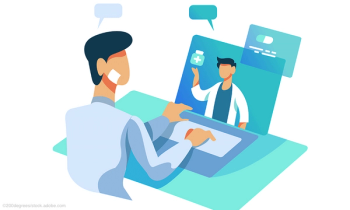
Perhaps the most evident care site that needs some transforming is the exam room.

Integrating technology into your waiting room experience can save time and increase patient satisfaction.

How artificial intelligence can benefit your business.

Personalized email marketing is an effective, cost efficient strategy to improve patient outcomes, boost your brand, and grow your healthcare business.
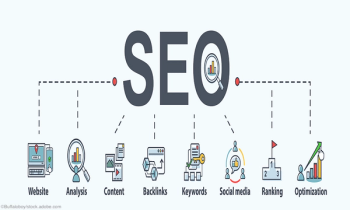
If you want more leads for your practice in 2021, there's one marketing strategy that stands above the rest: Search Engine Optimization.