







Credentialing is a critical undertaking no matter the size of your practice. Here's how to make the process less cumbersome.

Credentialing is a critical undertaking no matter the size of your practice. Here's how to make the process less cumbersome.

The decision to buy, sell, or merge a medical practice is more complicated than ever, and physician owners must have a clear understanding of the legal structure of the potential transaction.

Providers must sign an agreement for how to handle disputes and terminations in the best of times to avoid bitter legal battles in the worst of times.

A payer contract is more than a mere fee schedule. There are several other factors to consider when deciding to keep or terminate a payer contract.
Before heading to the table, draft a game plan to be a tough negotiator with payers.

It’s important to remember what you bring to the table before negotiating payer contracts.
Never agree to a deal as presented until you are provided a contract and understand the terms thoroughly.

There are many ways in which a practice can grow, so it’s important practices expand in a way that’s sustainable to ensure long-term success.
Management service organization (MSO) models can be risky for physicians who may not consider the legality and associated financial and legal risks before agreeing to the arrangement.
Physicians need to consider what they might need to do in order to repurchase their medical practice-then get those provisions in place before agreeing to the sale.

Any medical practice with multiple owners must have a funded buy-sell agreement in place to protect the partners and their families from the death or exit of a partner.

Physicians may be eager for the financial rewards of recruitment deals, but they need to understand such enticements can become a tremendous burden.

Here are four steps you should take if you want to hire a new physician that may be hampered by a non-compete provision.
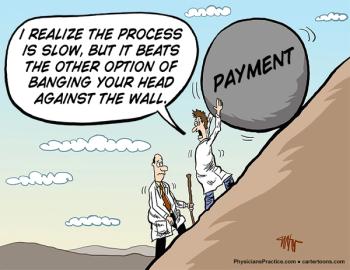
Physicians are stuck choosing between the lesser of two evils when it comes to payments and reimbursement.

Entering a new employment agreement? Here's why and how you need to plan your exit strategy as soon as possible.

Physicians have to jump through more hoops than ever to be paid. Is there an end in sight?

Here is some basic contract advice for physicians receiving an offer and practices making an offer.

If your organization is seeking to add arbitration clauses to its contracts and manuals, be sure to know the advantages and disadvantages first.

If you're drafting up provisions in a physician contract dictating his conduct, here are five things to consider.

Physicians interested in any transaction opportunity need to be familiar with the process, and the healthcare regulatory and legal issues that can delay or thwart a deal.

Physician practices can learn from Equifax's security breach by asking the right questions. Here are a few to ask their vendor.

Before buying life insurance, physicians need to consider a plethora of factors. Here are the most important of the bunch.

Did you know that your insurance payers have very specific rules that you are required to follow? Don't leave money on the table.

Small practices won't have access to a private payer's reimbursement rates, so what they are to do?
Watch out for aggressive language in hospital employment agreements requiring physicians to recoup all payments to insurance companies.