




What is a provider supposed to do to ensure HIPAA compliance with copying charges when a request for medical records is made? It’s not always easy.

What is a provider supposed to do to ensure HIPAA compliance with copying charges when a request for medical records is made? It’s not always easy.

Every medical practice should have a compliance officer. Here are 15 tasks to assign this important individual.

Information requests consume significant resources and represent a real area of risk for medical practices. Here are the top five actions you should take.

I always seek to provide a therapeutic interaction. However, I often seek it in the certainty of medical knowledge and behind the veneer of science.
Assessing your medical practice for risks and determining the likelihood and severity of impact will help you determine the most important areas to focus on.

Although healthcare is riddled with potential legal issues, there are several key laws that every physician should understand. Here are four of them.

Five recommendations to help ensure your medical practice has clear, consistent staff benefit and compensation policies that comply with state law.

If your practice hasn't already initiated a compliance program, here are four ways to begin.

In order to get patients the care they need when they need it, consider a risk-stratified care management system tied to point of care registries.

The HIPAA audit program under the Office for Civil Rights is expanding and changing. Is your practice prepared?

What you communicate to patients should also consider how you reach them. And with the variety of messaging available, there is also varying patient preference.

In the outpatient setting, physicians should never assign a diagnosis unless that diagnosis has been confirmed by diagnostic testing, or is otherwise certain.
ACOs enable collaboration between hospitals and physicians because of protections provided under the healthcare reform law.
Every investment or venture into which a physician enters must be carefully scrutinized to assure compliance with several state and federal laws.
This 60-second video clip will help your medical practice identify six ways to reduce the likelihood of a HIPAA breach due to cyber crime.
Not only should your practice prepare to use new modifiers by Jan. 1, you might also experience even greater scrutiny of future modifier 59 claims.

A tax and business formation lawyer shares the legal risks physicians must consider prior to investing in or working for ancillary service providers.
Physicians who maintain financial arrangements with laboratories to which they refer should be aware of a new special fraud alert.
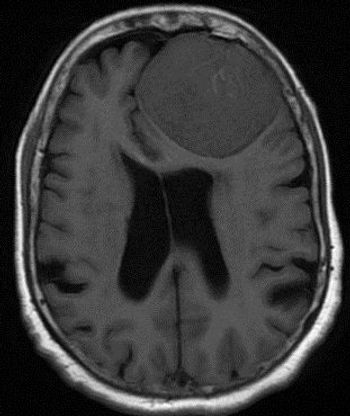
Communicating electronically with patients is convenient, but also risky. Here, a risk management professional shares some of the biggest mistakes to avoid.
The Stage 2 rules of meaningful use call for a security risk analysis of your practice. Here are some common sources of data loss to examine.
Physicians Practice's 2014 Technology Survey, Sponsored by Kareo, contains troubling findings regarding efforts to secure protected health information.
When it comes to billing Medicare, you may very well be able to bill one physician incident-to another. Here's how.
Here are four key areas of concern those in healthcare have when it comes to the future of mHealth apps, tools patient are utilizing in greater numbers.
Apple unveiled its Health app, compiling data from a user's health- and fitness-related apps in one place. Can it help patients take ownership of their health?
Understanding the Family and Medical Leave Act and what it requires can help medical practices avoid costly missteps.