

Balance - whether between your shoulder elevators and scapular stabilizers or personal and professional obligations as a physician takes constant work.
Balance - whether between your shoulder elevators and scapular stabilizers or personal and professional obligations as a physician takes constant work.
Referrals to home health agencies are on the rise, as are allegations of kickbacks for said referrals. Here's how to work with HHAs within legal boundaries.
The government has new tools for identifying excessive use of suspect medical codes, so you must vigilantly keep abreast of what those codes are to avoid trouble.
Getting patients to follow your guidance is a lot easier with today's technology. Here's a rundown on the tools that work, and how to work 'em.
Here are seven simple things you can do to reduce no-show patients at your medical practice starting today.
Here's how Stage 2 of CMS' EHR Incentive Programs differ from the rules for Stage 1 to achieve meaningful use.
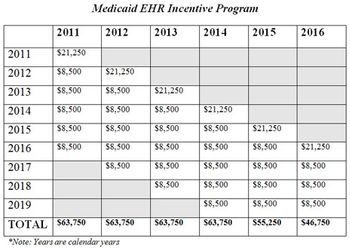
Here are some charts to help you plot out the stages of meaningful use at your practice and payments for both the Medicare and Medicaid EHR Incentive Programs.
Before ACOs are in full swing, HHS may need to make some tweaks to its current rules on physicians, relationships, and payments.
Not sure where to get started on your medical practice's operations manual? Here's a table of contents to get you started.
Now is the time to be sure our EHR is compliant with auditing and documentation guidelines if an audit comes your way.
I know I can't help every patient, but I try. But sometimes, some patients push me to the brink of frustration when they won't let me help.
Physicians continue to drop Medicare patients and it will continue unless something is done to reinvigorate enthusiasm on the part of providers.
Are you and your office staff up to date with the HIPAA privacy laws? After what I recently saw, you might want to have a refresher.
Simple strategies to help your patients manage their medications.
We need patients to understand that while physicians don't always agree with the rules, we can't just skirt around them.
Before you decide to terminate a difficult patient - give him the benefit of the doubt and try these techniques to mend the breac
Got a patient who's abusing your staff, ignoring your advice, failing to pay his bill? When you realize it just isn't going to work, it's usually best to let the patient go. Here's how to do it correctly.
One woman's declaration of love for her physician shouldn't mean dismissal. Or should it?
Not every patient who abuses prescriptions is just out for a good time or a quick buck. Here's how to recognize prescription-abusers, and what do to do about them.
Whether you've decided to retire, relocate, or retreat from practice, you can reduce the pain for your patients and staff by following these five guidelines.
What you do online matters - and medical boards are paying attention.
Conducting video visits over an Internet connection is going mainstream.
The government is getting more aggressive-a lot more aggressive-in going after possible fraud. Here's how to keep your practice out of legal hot water.
When it comes to patients taking your advice, sometimes it is easy, sometimes it is frustrating, and sometimes, it just won't happen.
With the mushrooming litigation climate, and the advent of the Internet, patients are now bombarded with copious information about their care, and in particular their medications.