








Three questions to explore the lifestyles of teenagers
Three questions to explore the lifestyles of teenagers

To successfully transition to hybrid care, physician practices need a cohesive telehealth strategy.

Proactive virtual care is easing the clinical burden of Emergency Department reactive services.
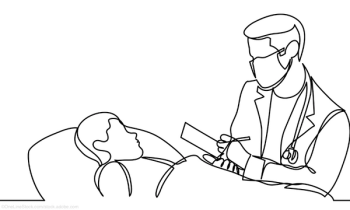
Despite an emphasis on virtual care in the past year, bedside manner is still important for physicians during the pandemic.

Advice for implementing a virtual waiting room

Virtual care technology can ultimately help improve outcomes in your senior patient population.
Virtual spaces may provide greater flexibilities, but does this mean that patients will feel as comfortable when at your practice?
Can your staff can handle the work?
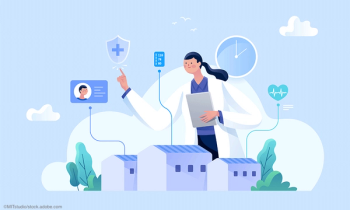
Providers will benefit most from well-tailored RPM programs designed within the current requirements that also have the means to be flexible as requirements inevitably shift.
Virtual waiting rooms offer many new opportunities

Fortunately, practices are acknowledging that introducing technology alternatives is easier than anticipated and actually streamlines the process and enhances patient outcomes.
Some of these changes and new considerations.

Create a plan to drive patient access, action, and adherence.

What the new HL7 interoperability standards means for providers.

The current health crisis may slowly diminish in the coming months, but the need for convenient telemedicine and strong, stable medical practices that can put patients first will not.

Extensive revisions aim to prioritize patient care information, resource-based reimbursement, and lessening the need for audits.

Scott LaRoque, CEO of MPOWER Health, discusses why some physician practices are hesitant to adopt value-based care models and how practices can get started with them.

Rapid abnormal cell count diagnostics could turn the tide of rising cancer death projections.

Rick Halton, VP of Marketing and Product at Lumeon, discusses results from their survey on patient access challenges faced by healthcare leaders during the pandemic.

How healthcare providers can rebound after the pandemic

CCM and RPM can improve outcomes, the patient experience, and your bottom line.

How digital tech can help build a diabetes management ecosystem.

Prescribers, pharmacists, and payers can use new opioid rules as an opportunity to expand medication access and patient education about the lifesaver.

There’s no magic wand to immediately upgrade your administrative systems, but there are actions you can take.

Patients drawn by new access points need guidance