
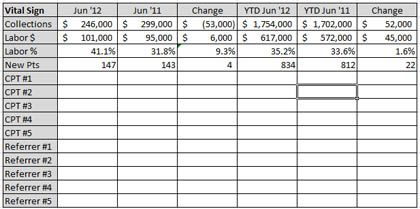


Many practices make common collection mistakes that when left unattended can sap revenue. Here's what you can do to improve your collection process.
Many practices make common collection mistakes that when left unattended can sap revenue. Here's what you can do to improve your collection process.
Properly using technology at your practice is critical, as is determining who will help you use it effectively.
It is vital that practices have systematic ways to address patient collections; the following strategies can help your practice collect all that it is due.
You've purchased the technology needed to keep tabs on your practice's operations. Now make sure you're looking at the right reports.
As charitable as physicians want to be, the law does not allow routine write-offs of co-pays and deductibles without risk.
Defunct payment policies, denied claims, and unchallenged audits all blled revenue from practices. Here's what it means and how to stop it.

John Torres with Texas-based FTGU Medical Consulting discusses revenue strategies and cost containment.

With the right technology, your practice can do a better job of collecting upfront copayments, catching likely claims denials, and tracking patterns.
With so much else changing in healthcare, it's understandable that you'd want to avoid thinking about transitioning to the coming ICD-10 code set. But the longer you wait to start, the tougher it will be to make the switch, and the more likely you are to lose money. Here's what you need to know to avoid claims denials and ensure a smooth conversion.
Our latest analysis of the annual ranking of payers based on hassle factor is here. The good news: Most insurers are paying faster, denying less, and making their processes more transparent. But there's still room for improvement.
To stay safe and weed out the billing and collections problems stifling your practice's revenue stream, our experts recommend a "bottom-to-top" assessment of your entire billing operation.
You may be afraid of audits, but if you aren't auditing your own billing procedures, you're probably losing a fortune. Here's how.
What yardstick should you use to measure your practice against those of your colleagues?
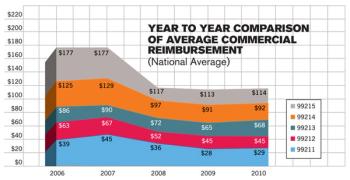
Our 2010 Fee Schedule Survey indicates that with commercial payments narrowly keeping pace with Medicare, practices need to get paid more for the work already being done.
Planning for retirement can be tricky, and it’s definitely something you want to get right. Check out these potential pitfalls and how to avoid them.
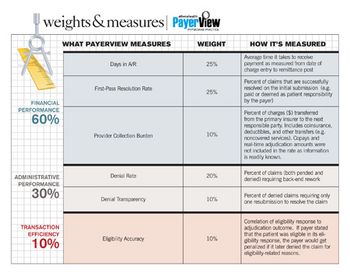
Our fifth edition of PayerView uses real claims data to examine and rank payers based on financial and administrative performance, as well as efficiency. Here’s to friendly competition that helps docs get paid.
What is the simplest method for reducing denials? Get the correct patient data from the start.
Considering outsourcing the business side of your practice to a revenue cycle management firm? Let someone deal with the claims and collections headaches … right? Maybe. We examine the pros, cons, expenses, and benefits.

A lingering recession and declining reimbursement make for stormy weather for practices. Check out our suggestions for how to stay dry - and in the black.
An EMR purchase is a business decision like any other. It’s an expensive decision, true, and it requires change. But it’s still just a business decision. What questions should you really be asking yourself?
In today's economy, a job transition is a scary thing.
You’ve got questions - lots of ’em. And we’ve got the answers. We compiled some of the most common practice management questions we hear - from collections issues to dealing with staff problems and so much more - in one place, and got answers from some of the top experts in the business.
A little price comparison can help you save big bucks on common goods and services.
EHR companies are increasingly offering billing services, and vice versa. Is this just another way to squeeze money out of you, or does it make sense to combine the services?
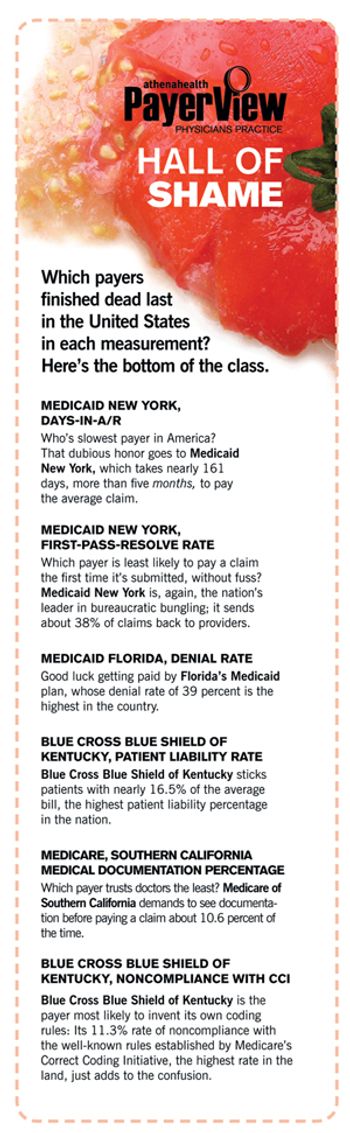
Which payers should you deal with and which should you drop? PayerView uses real claims data to rank them first to worst.