


MGMA acting CEO Akash Madiah on what members need, what the association must fix and how administrators can stop revenue leaks now.
MGMA acting CEO Akash Madiah on what members need, what the association must fix and how administrators can stop revenue leaks now.

How practice leaders can help physicians move from 'renters' to 'owners'

Former Integrated Medical Services CEO Monique Delgado explained how practice leaders can build performance-based physician pay with physicians at the table and why the work starts with the practice's own finances.

From payer contract homework to a 15-minute morning huddle, these are the moves practice administrators can make after four days of sessions and interviews at MGMA's centennial meeting.

A family physician and practice owner shares the structure, roles and timing that make her team's 15-minute morning huddle work, and how to adapt it to a practice of any size.

MGMA's senior vice president of IT explains how administrators can choose technology, win staff buy-in and keep up with cybersecurity updates.

Seven competencies that can move health care leaders from survival mode to thriving mode.

Small practices and big systems struggle with no-shows in different ways, but there is a way to improve your system.
Madison Hynes of MGMA explained what practice leaders should watch as electronic prior authorization and Medicaid work requirements arrive Jan. 1.

Health care administrators and physicians may drift apart, but it is possible to close the gap.

Don't 'throw everything at it' before examining reasons why patients don't arrive for treatments.

Health care attorney Tatiana Melnik, J.D., says practices adopting artificial intelligence tools should reread their vendor contracts, train staff every week and plan for patients who decline an AI scribe.

Medicaid work requirements, new remote monitoring rules and an electronic prior authorization deadline all land Jan. 1, and that's only part of what MGMA told practice leaders to watch.

Lessons from a health system's project to use a new ambient listening program.

MGMA's Anders Gilberg says few practices have heard from EHR vendors about the Jan. 1 prior authorization API deadline.

An artificial intelligence vendor contract may cap what the company owes the practice, but health care attorney Tatiana Melnik, J.D., says the people using the tools are the bigger risk.

Staff morale after turnover or a merger starts with how the leader shows up each day, says Jon Dorenbos, the former NFL long snapper whose career ended with a heart diagnosis.

MGMA's Andy Swanson on longer primary care waits, APP hiring, staff raises that fall short and the one number to benchmark in 2027.
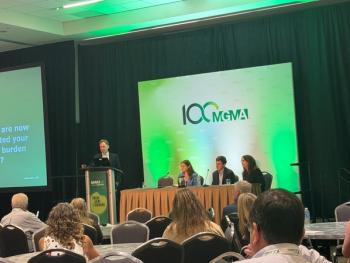
Hold times, delayed approvals and denials on authorized care dominated member feedback to MGMA's government affairs team.

Seema Verma describes state of AI deployment in medical practices for MGMA.

A spreadsheet and the question ‘why?’ are enough to get started, an expert says.

he former INXS frontman paired trust, connection, adaptability, focus, authenticity and collaboration with the bands he says model them, then had the ballroom help finish an original song.

Akash Madiah said work is underway on the local engagement, education and digital improvements members requested, and MGMA recognized its 2026 honorees, including Lifetime Achievement recipient Tracy Bird.

MGMA is pushing back on any delay as insurers describe a three-step build.

A longtime MGMA analyst outlines the first area of focus to become a top performer.

MGMA's government affairs team walked through the fee schedule, MIPS, value-based care, Medicaid, Medicare Advantage and the year-end spending fight.

Two health care attorneys discuss noncompetes, private equity, practice succession and more.

A former hospital CEO discusses a solution that probably costs much less than practice leaders may think.

A practice can look healthy on paper until its best medical assistant quits. BackPocket Talent co-founders Rachel Brace and Nicole Hart explain how career ladders, pay tied to specific skills and retention bonuses can keep staff in place.

Career ladders, pay tied to specific skills and reviews held on a single date can help practices hold on to medical assistants and front-desk staff, according to BackPocket Talent's Rachel Brace and Nicole Hart.