


CMS is proposing to withdraw the Sunshine Act exemption for payments made to healthcare providers who serve as speakers for accredited CME programs.
CMS is proposing to withdraw the Sunshine Act exemption for payments made to healthcare providers who serve as speakers for accredited CME programs.
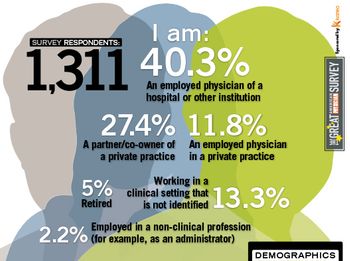
Get unique insight into the personal and professional lives of physicians through the results of the 2014 Great American Physician Survey, Sponsored by Kareo.
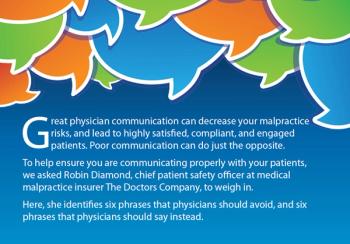
The chief patient safety officer at medical malpractice insurer The Doctors Company identifies six common communication missteps physicians make.
Whether actively marketing your practice for sale, or curious about the process, here are four steps to help you make informed decisions about the future.
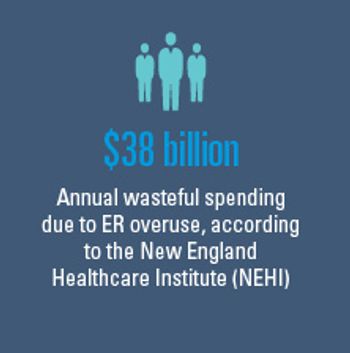
With projections of a primary-care physician shortage, this infographic from MHA @ GW explores the causes, effect, and possible solutions.
As physicians, we have fundamentally failed to clearly communicate to patients what we do, what we cannot do, how we do it, and why it costs what it does.
Many physician families that have done estate planning have a "living trust" in their documents. Here's how it works and what it is useful for.
Many physicians have limited time away from work and their patients. Don't let that precious time get eaten up by errands.
Whether you are a medical practice manager or physician, "servant leadership" is about letting your spotlight shine on those around you
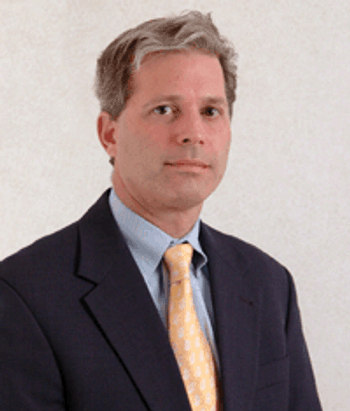
Your medical practice's value plays an important part in its future. Here are six ways to boost your practice's value, starting today.
An attempt by CMS to repeal a Sunshine Act exemption for payments made to speakers at accredited CME events has physician associations hopping mad.
Quality of patient care is paramount, and I hope that the powers that be really think about realistic solutions to improving it.
When you feel organized at home, it's much easier to head into work with a clear head and with the right frame of mind.
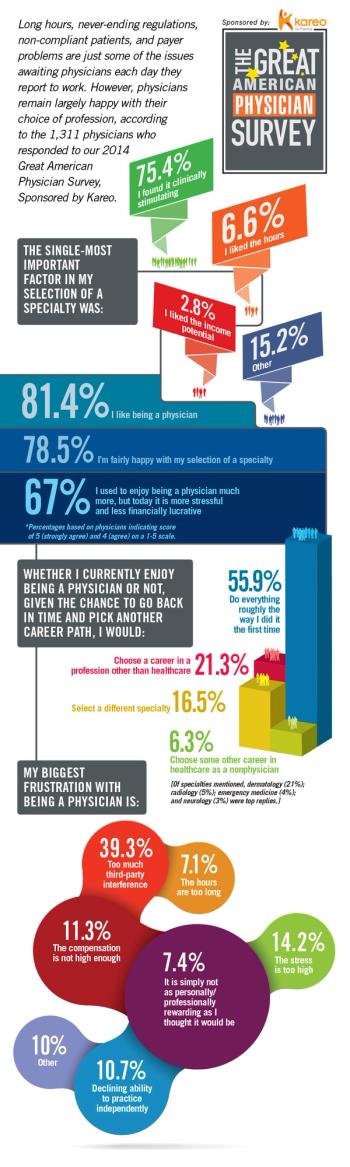
Our 2014 Great American Physician Survey, Sponsored by Kareo, indicates 8 in 10 physicians are happy as doctors and have no regrets about their career path.
The use of drugs and alcohol by physicians is a well-known public health risk, but is California's proposal to randomly drug and alcohol test physicians the answer?
Next time you feel like your sense of balance is spiraling out of control, remember these seven principles.
Turnover is an important topic that medical practices discuss, but often changes to curb attrition don’t happen until it’s too late.
Determining where and how to invest is often a challenging process. Here are some tips for physicians.
Here's how physicians can better find balance and regain control of their time and responsibilities.
These four challenges have the unfortunate ability to largely overshadow a physician's professional accomplishments, board certifications, and industry accolades.
The shooting down of the Malaysian Airlines jet over Ukraine may have an effect on the health of the world's citizens for years to come.
It's no secret that the United States is facing a serious physician shortage. But how far should we go to ensure adequate access to patient care?
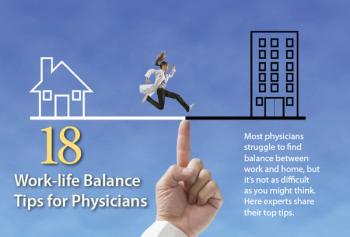
Most physicians struggle to find balance between work and home, but it's not as difficult as you might think. Here experts share their top tips.
Recently we suffered a multi-part network crash at our medical practice. Here are some of the lessons I learned while helping my practice deal with the disaster.
Many physicians start off their patient visits with a friendly handshake. But some researchers say that's not the healthiest approach. What do you think?