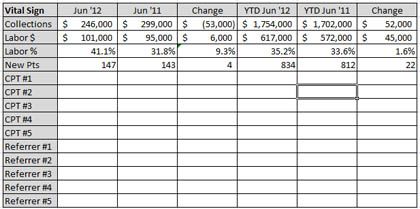


Here are three ways to stop 'lost' copayments and deductibles at the time of service at your medical practice.
Here are three ways to stop 'lost' copayments and deductibles at the time of service at your medical practice.
Conducting video visits over an Internet connection is going mainstream.
The AWV yields three times higher reimbursement for physicians than the average outpatient visit, yet many physicians and patients are failing to utilize it.
Medical coding guidance on Medicare Annual Wellness Visits; RVU reductions; physician scribes; student documentation; and more.
Your front-desk staff is underappreciated but crucial to your success. Arm them with these high-tech helpers to get their jobs done right without burning out.
Reducing patient cycle time and improving patient satisfaction can both be accomplished if you improve your practice's communication channels.
With the government trying to reduce your income on one side and possibly increase it on another, you need to keep track of your processes.
Identifying and dealing with potential patient payment issues preemptively and professionally …is the most important thing a practice can do to preserve its fiscal health.
There is much more to billing than just billing; make sure your practice is getting it right.
Want the right way for your staff to get patient data during scheduling and visits? Here's a handy guide to print and post at your practice.
I continue to be amazed by the complexity and layering of the medical bills associated with my short, elective, outpatient procedure.
Thanks to new federal initiatives and the increased use of smart phones and tablets, more physicians are communicating with each other while on the go.
Are you restricting Internet access to your medical practice staff? If so, some of your cash flow is not only offline but also in jeopardy.
Many practices make common collection mistakes that when left unattended can sap revenue. Here's what you can do to improve your collection process.
It’s cheaper to spend the time and money setting things up properly at your medical practice then to defend yourself when a problem arises.

In this podcast, healthcare attorney Todd Rodriguez, defines the Civil False Claims Act, identifies common missteps, and provides key compliance tips.
The AMA is working to stop the transition from ICD-9 to ICD-10. Does that mean medical practices should stop preparing?
It is vital that practices have systematic ways to address patient collections; the following strategies can help your practice collect all that it is due.
Understanding third-party payers can go a long way to making your life easier.
You've purchased the technology needed to keep tabs on your practice's operations. Now make sure you're looking at the right reports.
Here's how your medical practice should build a plan for the looming transition from ICD-9 to ICD-10 in 2014.
Practice Notes blogger and attorney Ericka Adler recently wrote about issues that arise when patients can’t pay for services.
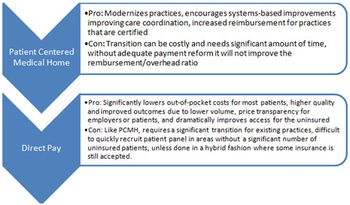
Feel like you can't do the fee-for-service practice model anymore? Here are several examples of new models in primary care that may the answer for you.
If every chart you create looks basically the same, it might be a problem for CMS.
John Torres with Texas-based FTGU Medical Consulting discusses revenue strategies and cost containment.