


Encouraged by federal subsidies, many practices are exploring the purchase of electronic health records for their offices.
Encouraged by federal subsidies, many practices are exploring the purchase of electronic health records for their offices.
Electronic communication is omnipresent. Not only is it instantaneous, but in many ways it is becoming the standard of care. No longer does a practice need to create mountains of paperwork.
Meeting meaningful-use requirements for EHRs will demand interoperability between data systems. Do you have a strategy for connecting online with pharmacies, labs, other physicians, and patients? Here’s our primer for achieving connectivity and meaningful use.
Want a sure way to make your staff feel valued while finding out what needs improvement? Just ask ’em. Here’s how to seek staff input.
Are you taking a close look at the fine print before signing your equipment leasing paperwork? You should be. We show you why and what pitfalls to avoid.
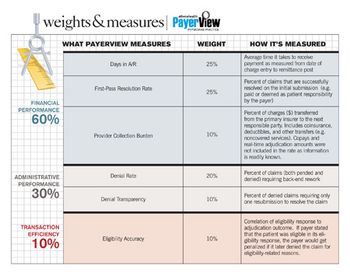
Our fifth edition of PayerView uses real claims data to examine and rank payers based on financial and administrative performance, as well as efficiency. Here’s to friendly competition that helps docs get paid.
How to create phone system efficiencies without driving your patients nuts.
We know EHRs can improve practice efficiency, but can they improve patient care? The evidence is suggesting they can. From disease management tools to automated reminders, EHRs are offering welcome improvements in patient outcomes.
Here’s a list of our favorite apps developed specifically for physicians’ diagnostic and information needs.
At least once a week I hear clients complain about difficulties they are having organizing simple work flow processes.
What is the simplest method for reducing denials? Get the correct patient data from the start.
Voice recognition software has gotten more sophisticated and easier to use. Still, is it good enough yet to be worth the time and money it will cost you to use it?
Here's a primer to assist your medical practice maintain its patient records and avoid any legal troubles.
When a drug that you prescribe often is recalled, you’re going to get swamped with calls and questions. Better to have a recall response plan in place before trouble strikes.
The workforce is becoming much more diverse.
The road to electronic health records is filled with good intentions. However, every EHR vendor claims they have a certified product. Here are some steps that you can take to protect your EHR investment.
Baffled by servers, networks, and other hardware? Turns out you don’t have to be a techie to make good decisions about your practice’s technology needs. Here’s how to gear up smart.
It’s tough to get away from the office without worrying you’ll come back to a mountain of work. But taking time for yourself is crucial. Here’s advice on doing it right.
Advances in care delivery and technology are taking root now that could significantly change the way care is delivered in the future. Healthcare’s innovative thinkers and practitioners give us their predictions for the future.
Wondering if you are overstaffed? Make sure to evaluate your work flow and practice operations first before cutting staff.
Should you keep your Rx data away from drug companies? Is that even possible? Here’s what you can and can’t do to protect your prescribing privacy.
Here’s how practice administrators can help prepare your practice’s defense against a liability claim.
Insidious software and hidden viruses living in your computers could be threatening confidential records and practice productivity. Here’s how to protect yourself.

In the midst of Medicare cuts, consult-code farewells, healthcare reform bills, and all our other challenges, we need to prepare for new HIPAA Privacy and Security mandates.
Most practices waste scads of money - then wonder why they need a microscope to see their bottom line. To keep you on the right road, we’ve posted the signs to a more efficient and productive practice.