A new book from Halee Fischer-Wright, MD, CEO of MGMA, examines how we need to strike a balance between the three major elements of medicine.
A new book from Halee Fischer-Wright, MD, CEO of MGMA, examines how we need to strike a balance between the three major elements of medicine.

An independent physician and a health IT executive join the podcast to talk about the current landscape of technology in medicine.

Dr. Robert Wachter wrote the book on the failings of health IT and the effect these systems have on patient safety. He joined us for the Pearls podcast.

The telemedicine phenomenon is growing, especially in pediatrics. This podcast looks at why the specialty is an ideal landing spot for the technology.

The PA profession has seen tremendous growth in the last six years. There are multiple reasons for its increased popularity.

No one can accurately predict what will happen with the ACA, but that doesn't mean physicians can't chart a path forward.
In this podcast, the chief innovation officer at the UPMC health system joins us to explain the potential of artificial intelligence in reducing burnout.
Facing something like the Zika epidemic is challenging for any healthcare organization, but especially when they lack significant resources.
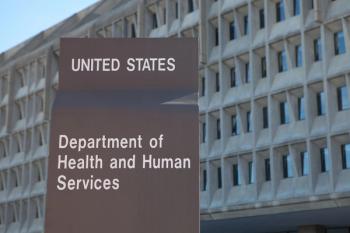
In what areas will Secretary Tom Price make an impact at the Department of Health and Human Services? MGMA's government affairs expert shares his insight.
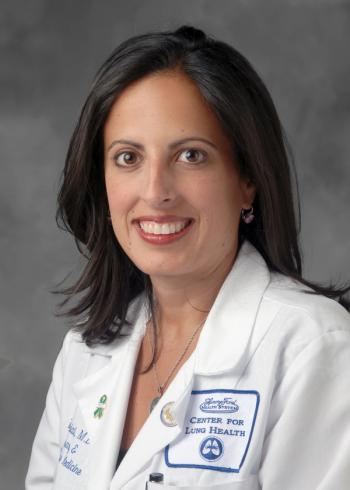
One physician nearly died from a ruptured tumor in her liver. From this life threatening experience, she learned the importance of empathy in medicine.

What are the top healthcare issues that practices will have to pay attention to in the coming year?
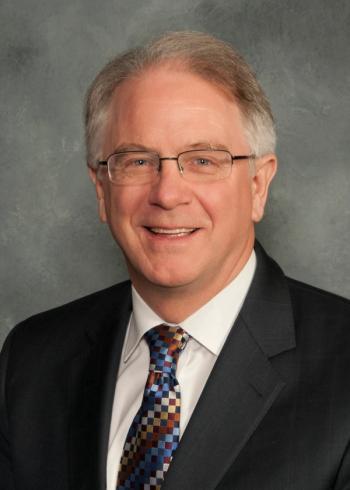
In the second of a two-part podcast,. William Maples, MD, explains that improving the patient experience can't happen through hospitality-industry amenities.
In part one of a two-part podcast, patient experience consultant William Maples talks to us about the problem with the HCHAPS and CG-CAHPS surveys.
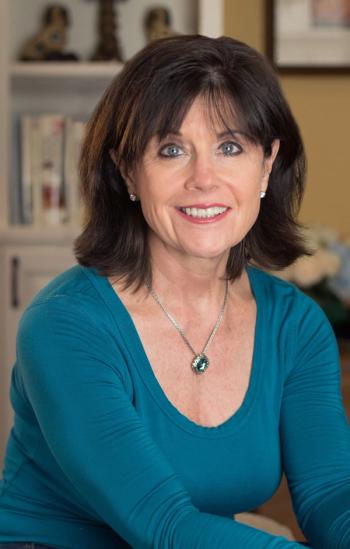
Marni James of the Association of Independent Doctors explains how physician practices can remain independent in today’s environment.

In this podcast, healthcare consultant Craig Greenberg shares three tasks every practice manager should complete before the end of 2014.

From nonphysician providers to advanced practitioners, PAs are referred to in many ways. Here's what one PA says is the appropriate terminology.
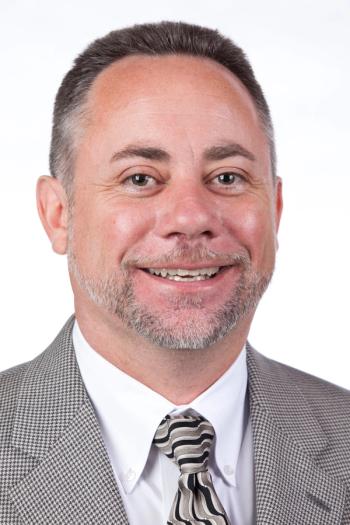
John McGinnity, president of the American Academy of Physician Assistants, shares how PA practice is changing, and how physicians and practices should adapt.

In this podcast, consultant Susanne Madden shares how medical practices can store patient credit card numbers securely and effectively.
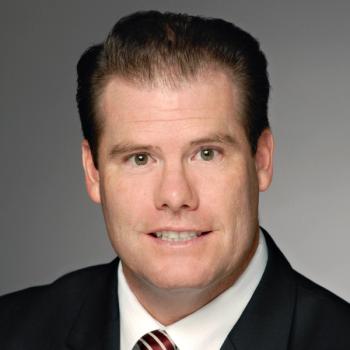
Robert Tennant, senior policy adviser of government affairs for the Medical Group Management Association, discusses the ICD-10 delay.
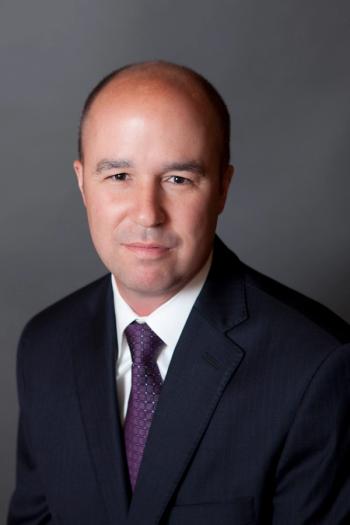
How to ask the right questions and find the perfect candidate for your practice's healthcare IT needs.
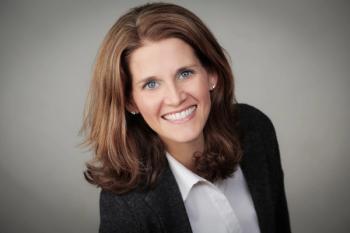
Pediatrician and social media enthusiast Natasha Burgert offers physicians advice on joining and posting to Twitter.
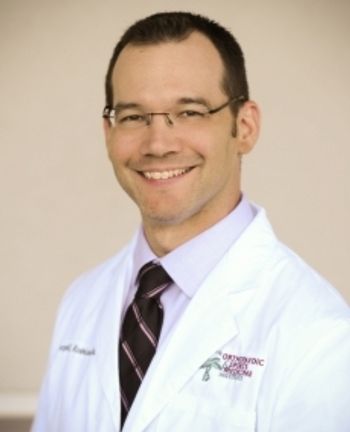
Looking for a new EHR? Let physician Joseph Robison offer you advice on how replace your old health IT system for a new one.
Michael O'Connell of Marymount Hospital in Ohio discusses key steps your medical practice can take to ensure a safe environment for patients and staff.
The MGMA's Donna Knapp and Todd Evenson discuss current and looming quality and cost factors that are playing a role in physician compensation.

Vic Arnold, a managing director at Huron Consulting, discusses practice-alignment strategies that will aid long-term survival in a partnership.
Penny Noyes of Health Business Navigators discusses the typical components in payer agreements, and those that might cause practices trouble.
Consultant John Lutz discusses the transition from volume- to value-based healthcare and how medical practices can begin preparing today.

Family physician Shankar Santhanam weighs the good and the bad about practicing medicine in New Jersey.
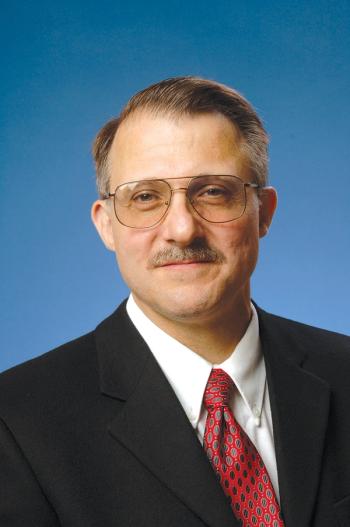
Psychiatrist Michael Privitera explains why New York is beautiful and diverse, in spite of regulatory hurdles for physicians.
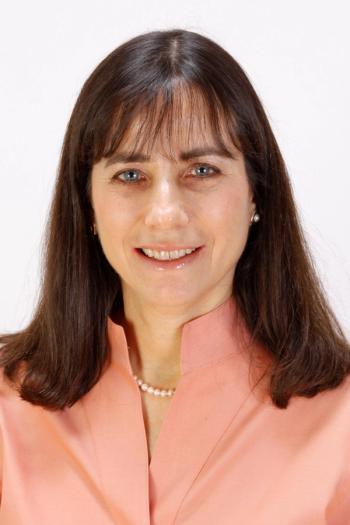
Gynecologist Cynthia Cooper explains why practicing medicine in New Hampshire is mostly great for independent-minded physicians.