







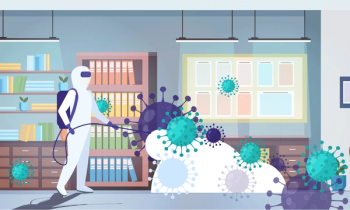
How practices are updating infection control procedures and maintaining patient relations in the wake of the pandemic.
How practices are updating infection control procedures and maintaining patient relations in the wake of the pandemic.

Use association guidelines to establish your practice’s plan.

Longtime programs become new lifesavers in a time of crisis.

Key treatment pathways & priorities.

Do not overlook these new additions.

Medicine, like life, is everchanging. Here’s some strategies for abating stress in your practice.

Unsupervised non-physician providers put patients at risk when working outside their scope of practice.

Greatest impact will be felt in small towns and rural clinics.

The healthcare industry could see a shortage of up to 15,600 psychiatrists by 2025.

Independent physicians benefit from a lack of red tape, a significant advantage over hospital-owned practices.

Direct-to-consumer genetic testing kits are a hot commodity every holiday season, but they often come with strings attached. Here's what patients deserve to know.
Despite crossover in forms, both represent different things.
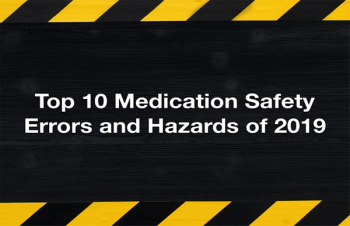
As reported to the The Institute for Safe Medication Practices (ISMP).

Tips for avoiding adverse drug events in elderly and chronically ill populations.

Technology, legislation, and more.

When patients do not have reliable transportation, the effects ripple through the entire healthcare system. Here's a look at the fallout as well as innovative solutions.

December results from Walgreens Flu Index.

New study results show only 16 per cent of surveyed practices screened for all five social determinants of health.

The science of personality and why self-awareness matters.

Health outcomes are a result of social, behavioral and economic factors that physicians can’t control-but can help patients with.

Cannabis is still a touchy subject for medical professionals. As a result, it can be intimidating for patients to ask for information.

Physicians study how to heal patients. But they also need to learn how to grieve their loss.

Physicians and other healthcare providers can help patients manage pain while reducing their likelihood - and opportunity - to become addicted to pain medicine.

PCPs are the front lines of the culture change about discussing advance directives, end-of-life care and death.

Ways primary care practices can educate patients about advance directives and empower them to make decisions about their health and quality of life.