





Amid the stresses of running a medical practice, it’s sometimes hard to find the time to keep your patients happy. But keeping your patients smiling is good for your wallet and your psyche.

Amid the stresses of running a medical practice, it’s sometimes hard to find the time to keep your patients happy. But keeping your patients smiling is good for your wallet and your psyche.

The faster people are informed, the faster they will get vaccinated, and the faster we can get back to normal.

How AI strategies are enhancing healthcare across the globe.

Independent practices are facing a multitude of challenges just to survive today.

How digital tools connect physicians and patients for better care
Where value-based care currently exists in adoption among healthcare professionals.

Good clinical outcomes require strong patient participation. One way to engage your patients is to improve their experience at your practice.
What value-based care is and how it differs from other forms of physician reimbursement.

While the healthcare sector’s initial call to postpone elective care procedures was understandable at the time, it was never meant to develop into a long-term policy.

This week on Perspectives, Dr. Caroline DeFilippo, MD, MPH, FACP of CareMount Medical in New York, explains how physicians can grow more comfortable with these conversations and when they should consider having them with their patients.

Engaging adolescents in their care and during the patient visit can be especially challenging. Here are some tips.

Three questions to explore the lifestyles of teenagers

Reach and attract new potential patients and outshine competitors.

The pandemic has made those previously reticent to adopt technology wake up to its necessity.

More engaged patients are more likely to follow your advice. Here are five ways to jumpstart your practice's efforts.

To successfully transition to hybrid care, physician practices need a cohesive telehealth strategy.

Proactive virtual care is easing the clinical burden of Emergency Department reactive services.

Techniques for better physician-patient communication, patient outcomes and profitability.
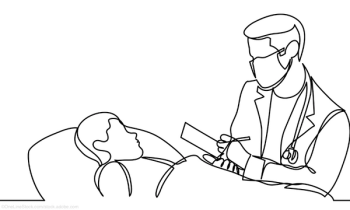
Despite an emphasis on virtual care in the past year, bedside manner is still important for physicians during the pandemic.

While EHRs are not created equally, an interoperable EHR that can accurately handle administration, data management and patient relations can serve as an asset to clinics.
Results from Luma Health's survey are discussed.
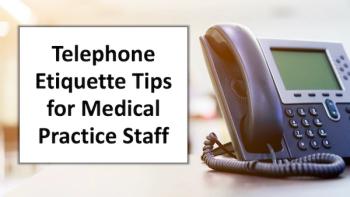
Meeting patient expectations is the surest way to increase their satisfaction with your practice. Telephone management is a good place to start.

Three best practices for healthcare organizations.
Advice for implementing a virtual waiting room

Virtual care technology can ultimately help improve outcomes in your senior patient population.