





In an attempt to lure 20- and 30-somethings, physicians are looking to make everything from scheduling appointments to asking questions both quicker and easier for patients.

In an attempt to lure 20- and 30-somethings, physicians are looking to make everything from scheduling appointments to asking questions both quicker and easier for patients.
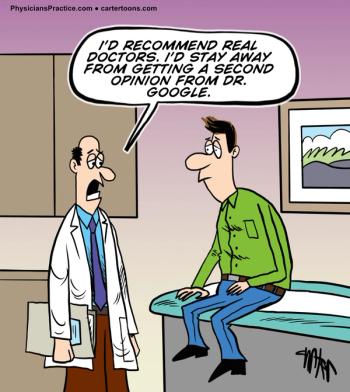
Note to patients: Dr. Google shouldn't see you now.

The Medical Board of California has investigated the prescribing practices of about 450 physicians whose patients overdosed on opioids months or even years later.

As physicians, we will need to be specialists in both our own medical field and in the integration of care for our patients.

As the diagnosis rate of autism spectrum disorder rises, physicians increasingly need to accommodate a population with special considerations.

We all want to help alleviate our patients’ pain. However, the word pain should not produce a knee-jerk reaction of prescribing pain medication.

The benefits and challenges of providing care on America’s last frontier.

Some room-temperature drugs are approved to spend up to 24 hours in temperatures from as low as the upper 50s to as high as 104 degrees. But scientists just don’t know how a number of medications respond to more extreme temperatures.
How trauma informed care can lead to better care for all: A perspective in caring for human trafficking survivors

Computerized records are not going away, so it is imperative to develop strategies to mitigate and cope with the stress EHRs are causing-for physicians and for patients.
There is a way that physicians-including employed physicians-can manage the effects of healthcare consolidations.

Stanford Health Care learned how to create standardized work to improve patient access and quality outcomes in five areas. These lessons learned can be applied to improve patient outcomes, quality, and service regardless of medical practice size-or budget.
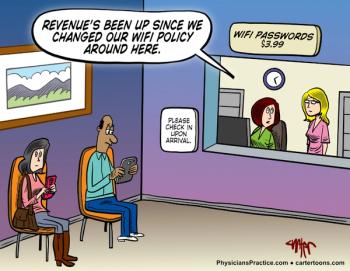
How to boost revenue in the new year.
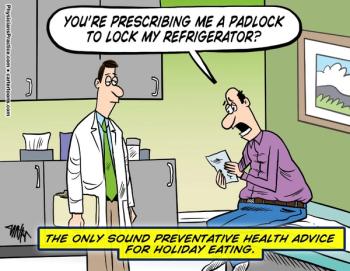
An effective method to keep off those holiday pounds.

More patients are recording their visits at the doctor’s office, sometimes without permission.

The treatment needed by many patients need cannot be packaged in a pill form. True treatment of the person involves so much more.

As the saying goes, it’s not what you said but how you make them feel. Being more conscientious of your delivery can improve communication with patients, staff, and colleagues.

It may not be the most wonderful time of the year for some patients. Here's how healthcare providers can help.

What traveling halfway around the world taught me about healthcare.
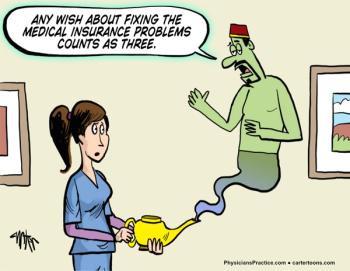
A genie may grant three wishes, but there are exceptions when it comes to wishes about medical insurance.

Millennials are more likely than other age groups to switch providers if they are not getting what they expect from you. Learn how to attract, engage, gain trust, and establish a long-term relationship with the America’s largest generation.

Since there are simply too few doctors in far too many rural communities across the country, telehealth can help physicians ensure targeted care for everyone.

One Ohio family practice has found a way to help food-insecure patients with diabetes by adding a food pantry to its office, meaning patients no longer have to choose between nutritious food and medicine to stay healthy.

Collecting patient payments can be a challenge for medical practices that aren’t operating at maximum efficiency. Review some key performance indicators to identify and improve processes.

Patient behavior plays a crucial role in determining health outcomes. In order to improve their health, we must help them get more engaged.