






The ACA has increased the demand for providers at all levels, and that demand will only continue to grow as more patients enter the healthcare system.

The ACA has increased the demand for providers at all levels, and that demand will only continue to grow as more patients enter the healthcare system.

Hiring the right candidate for your medical practice is not the easiest task. But if you prepare beforehand and ask the right questions, you can.

Effective management is the ability to influence staff so that they willingly and enthusiastically strive toward achievement of practice goals.

Avoid employee disputes against your practice before they start by steering clear of these four common bad habits by physicians and owners.

Squabbling among staff members can not only lead to bad morale, but can sour patients on your practice. Here's how to stop it in its tracks.
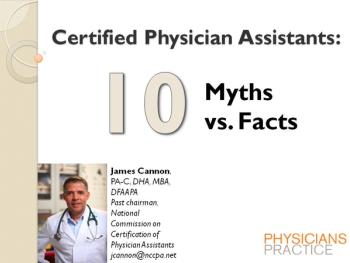
Many physicians still don't fully understand how PAs work in today's evolving healthcare landscape. Here's some facts to clear up the confusion.

While dismissing a staff member from your practice can be unpleasant, it is vital that you, as the physician leader, be involved.

Wondering what's appropriate to wear at your medical practice? Always feel guilty when you go on vacation? Let the Civility CEO help.

Make the transition to the ICD-10 coding system a lot smoother with just a few tweaks to your practice work flow.

Start planning now to make sure you have a well-rested and ready staff to handle the ICD-10 coding transition come Oct. 1.

If you believe billing processes need improvement in your practice, start by looking at the component steps of each task.

Keep an eye out for these four scenarios at your practice to avoid being the victim of embezzlement.

Learn from victimized practices and protect your own office from theft with these simple strategies.

As a physician, I depend on my clinical team to take care of the busy work. But I have a problem when staff make medical decisions without my input.

Firing a medical practice staff member is never easy, but there are some ways to minimize the potential aftershocks.
Dismissing a medical practice staff member is never fun. Here's how to reduce the likelihood you will need to go through the process.
Firing a medical practice staff member is never easy. Here's how to determine who should do it, and how.

EHRs should allow your practice to maintain or improve your productivity. Here are five ways to make sure it doesn't do the opposite.

Physician employers must be ever vigilant when seeking to classify an employee as salaried and exempt from overtime pay.
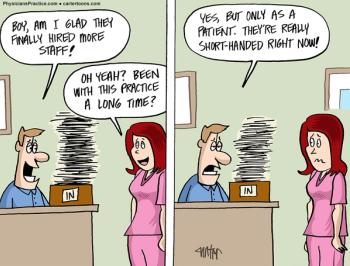
Sometimes, practices need to get a little creative when it comes to getting the daily work of seeing patients and running a business completed.

Experienced physician assistants can help physicians counsel their patients on better nutrition.

My challenge to my fellow physicians is to find ways to bring the health coaching you do for your patients to your staff.
We asked physicians to share their favorite tactics for rewarding and acknowledging their staff members. Here's what they said.

It's a small world and news about former employees travels fast. Remember, no one wants to hire a person who is not professional or who holds a grudge.

Medical practice managers must be more aware of how physicians deliver care and how they can help them do it more efficiently.