





To stay solvent, practices will need to work smarter and refine staff roles so that all employees are working to the top of their license.

To stay solvent, practices will need to work smarter and refine staff roles so that all employees are working to the top of their license.

NPs and PAs can bring a number of strengths to the table; in particular a focus on patient education, care coordination, and wellness promotion.

Physician assistants are educated in a collaborative approach to improve coordination of care and patient outcomes.

Our seventh annual Staff Salary Survey collected data from nearly 1,100 practices nationwide. Here are some key data points every practice should know.

Regional medical practice data from the 2015 Staff Salary Survey, exploring compensation levels for key medical practice staff based on years of experience.

Complete national medical practice data from the 2015 Staff Salary Survey, exploring compensation and related trends.

Staff-to-patient communication generally reflects what the staff really believes, and that often reflects poorly on a practice.

Practices face big cash-flow problems as patients shoulder more of their healthcare costs. Here's how to step up patient payment collections.

Managing an ongoing relationship with your EHR vendor takes time, but it is well worth it. Here are some tips on managing this key relationship.

While nurse practitioners seek practice autonomy, physician assistants work to ensure greater state-by-state consistency in scope of practice laws.

Communication with your EHR vendor is essential during the implementation and go-live period. Here are some tips to keep your practice connected.

Communication is key as patients are more likely to take their financial obligations seriously when they have a strong relationship with the practice.

When patients report bad behavior by your staff, what do you do? Let the Civility CEO help with this and with dealing with office clutter.

Identifying your medical team's value to the practice and communicating that properly can yield amazing results.
When you regularly ask staff members to share honest feedback, they'll know that you're listening and that you value their opinion.

Well-deserved praise not only induces your staff to work harder, it can make patients happy, as well.

From small changes to big fixes, here's how to adjust your medical design to boost patient satisfaction and staff efficiency.

Payer rules are complex and constantly change, making them difficult to follow. Here's what your medical practice should watch out for.
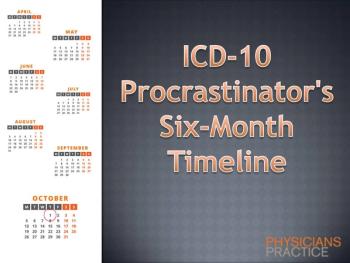
ICD-10 will be here before you know it. Here's what you need to do before October 1.

Some physicians are opposed to giving full prescribing authority to PAs. Here's why they are wrong.
Are medical scribes the solution to your EHR headaches? We asked practice management consultants to weigh in.
Training a medical practice staff member to serve as a scribe has several benefits, but only if you go about it the right way.

Here are five ways certified PAs are helping to solve the nation’s rural health challenges.

If you have not set specific job expectations for your staff members, slacking behavior might have more to do with your oversight, than it does laziness.

I have heard some physicians use malpractice risks as a reason to not work with PAs. Here's how I respond.