

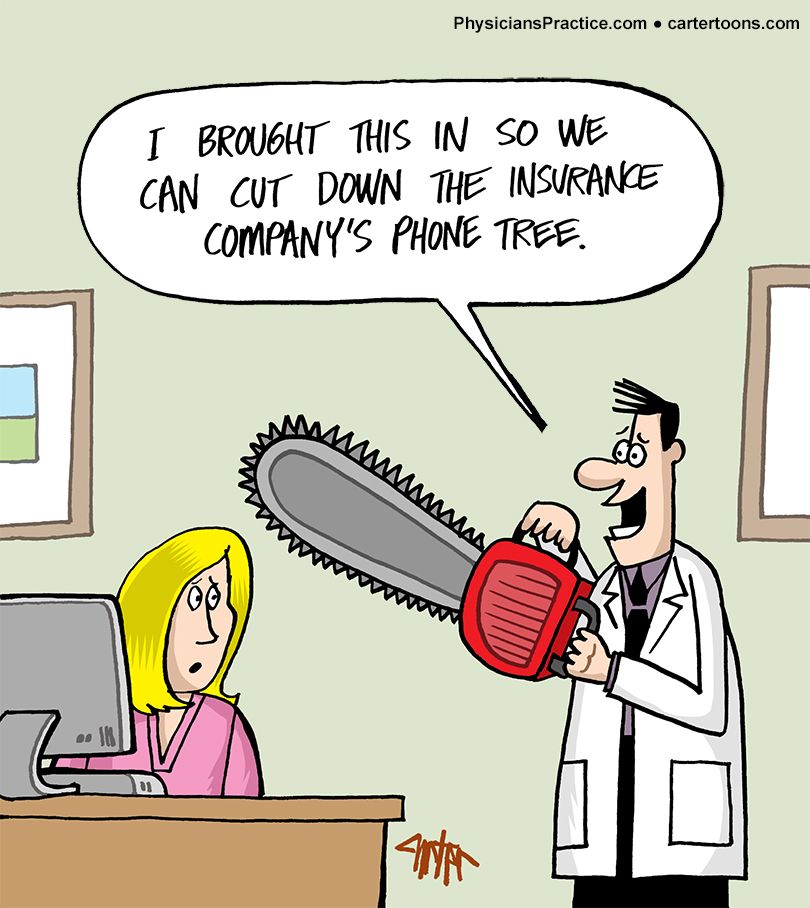




Patients tend to have a love-hate relationship with the waiting room. Here's how to make the experience better for them and your medical practice.

Patients tend to have a love-hate relationship with the waiting room. Here's how to make the experience better for them and your medical practice.

Connecting with patients is elementary to the healing process. But how do you know that a touch would be welcome?

Physician assistants can be a key teammate for medical practices in the management, education, and support of diabetic patients.

Physicians are good at lots of things, but solving the issues of poverty isn't one of them.

Here are four tips to heed if you don’t want a personal incident to damage your practice’s reputation.

If physicians can support overweight and obese patients with the right tools, they can also thrive in the pay-for-performance environment.

Getting patients in the door is critical to your practice's success. Are you doing everything you can to make this happen?

Digital health technologies offer the potential for close and cost-effective, long-term remote monitoring of patients with mental health disorders.
Patients and payers are your two main practice revenue sources. Here's how to collect more for the work you do every day.

Research reveals reporting discrepancies between primary-care and specialty practices. How can you improve the lines of communication?

Your patients probably don't care about ICD-10, but there may be situations in which you might want or need to tell them.

Here are six steps to protect yourself and your practice from malpractice suits stemming from a patient's prescription addiction.
Effective communication is essential for delivering quality patient care and establishing a good relationship. Here are eight tips to help.

Being angry at a patient isn’t constructive. Instead, use these tips to manage a patient’s unrealistic expectations

The rash of back-to-school physicals always tasks practices this time of year. Look to physician assistants to help manage the extra case load.

We know healthcare is changing and will have to continue to change, but this shift will come gradually and need to be driven by a compelling reason.

All of us have heard our share of patient complaints. One-liners that offer little room for anything more than an apology. Here's some advice on deflecting the worst zingers.

We continue to strive to provide good patient care, but there are only so many hours in a day, and patient tears won't make those hours multiply.

Seventeen percent of 2015Technology Survey respondents said dealing with communication work flow is their biggest patient portal challenge. Here's help.

There are multiple health insurance plan mergers looming right now, here's how they may affect your practice.

Stage your practice for success by taking the steps to identify and market it to your ideal patient.

Whether physicians personally agree or support LGBT rights should be a non-issue when it comes to providing the best possible care for all patients.

When it comes to considering concierge medicine, many physicians want more information before making the change in their own practices.
Many physicians still don't fully understand how PAs work in today's evolving healthcare landscape. Here's some facts to clear up the confusion.

A change in coding for behavioral screenings illustrates how payer payment policies negate any big-data promises of ICD-10.