




The PBS documentary is an excellent example of how a patient's mindset leads them to healthcare ownership, not just placing that burden on the physician.

The PBS documentary is an excellent example of how a patient's mindset leads them to healthcare ownership, not just placing that burden on the physician.

Our pediatric practice has a new policy: no more medical excuse notes. Here's why we did it and how we let everyone know about our new stance.

Having a great collections management policy in place at your practice can serve you very well, and keep your accounts receivable on track.

This fascinating documentary, about improving care while saving money, can teach physicians - and America - a great deal.
A new PBS documentary presents a revival of an old way of thinking in medicine; one that worked well for America for a period of time.
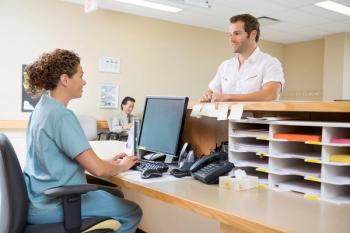
Communication is key as patients are more likely to take their financial obligations seriously when they have a strong relationship with the practice.
Practices can interact with patients in many ways using social media: from community engagement to patient education to crisis communications.

Patients come to a direct-pay practice for improved access to physicians. In order to deliver on that promise, a physician must have the right tools.
It's common knowledge a more engaged patient is a more compliant patient. So why can't medicine bridge the digital divide to connect with patients?

It's time to "bridge the gap" with patients between patient visits. Here's how technology is helping one practice do it.
A growing array of electronic tools are available to patients, but physicians and practices must first embrace them.
Building up your medical practice's social media network, and even acquiring new patients through that network, may be easier than you think.
When patients report bad behavior by your staff, what do you do? Let the Civility CEO help with this and with dealing with office clutter.

Some healthcare systems are having an easier time securing patient engagement than others. Here are some of the successful strategies used at Kaiser.
More practices and hospitals are exploring how mobile devices can engage patients and improve outcomes. Here's how your practice can get involved.

Physicians and patients share feedback regarding how patient access to physician notes affects work flow, engagement, and patient care.

With so many mobile device options available, it can be difficult to determine what mobile health solution is right for your practice.

Retail clinics are here to stay. Increasing your patients' access to your medical office will help direct them back to your practice.

A designer waiting room will surely impress new patients, but will not affect the quality of care you provide. Make sure you focus on meaningful metrics.
Using technology to harvest and integrate patient data into the EHR is an efficient means of saving provider time, and engaging patients in their care.
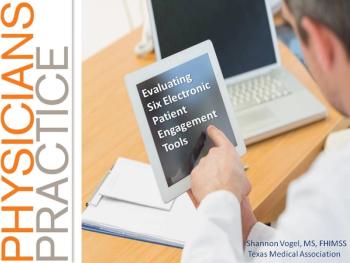
Electronic patient engagement tools are great to connect physicians and patients, but they also come with challenges.

One physician explores the "dance of documentation" between physician, patient, and EHR; and a potential new partner: the medical scribe.

The ongoing reimbursement challenges of medical practice today are leading cardiologists to explore concierge medicine.

Giving patients the courtesy and attention they deserve can significantly increase practice productivity, and make everyone happy.
Well-deserved praise not only induces your staff to work harder, it can make patients happy, as well.